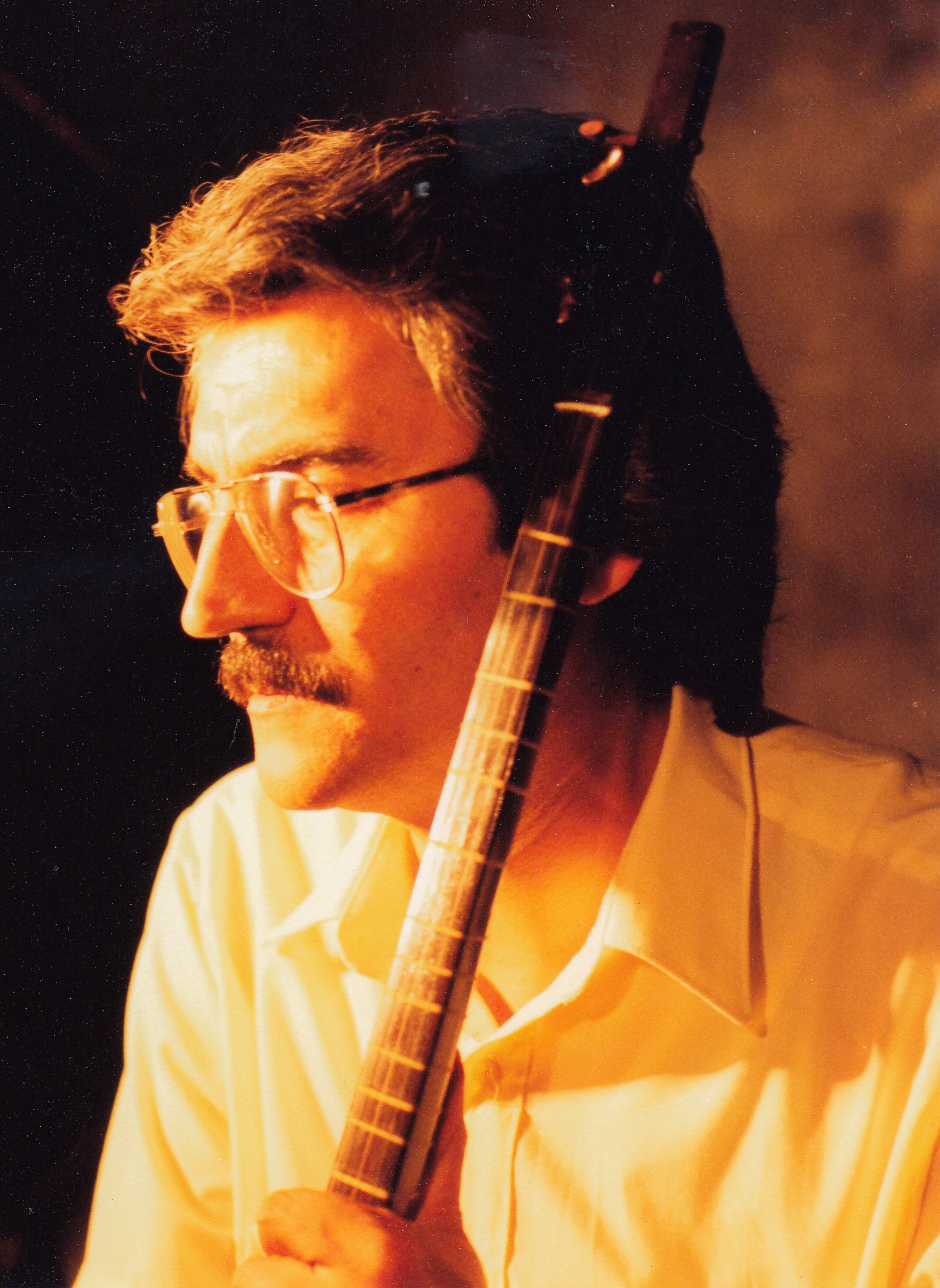
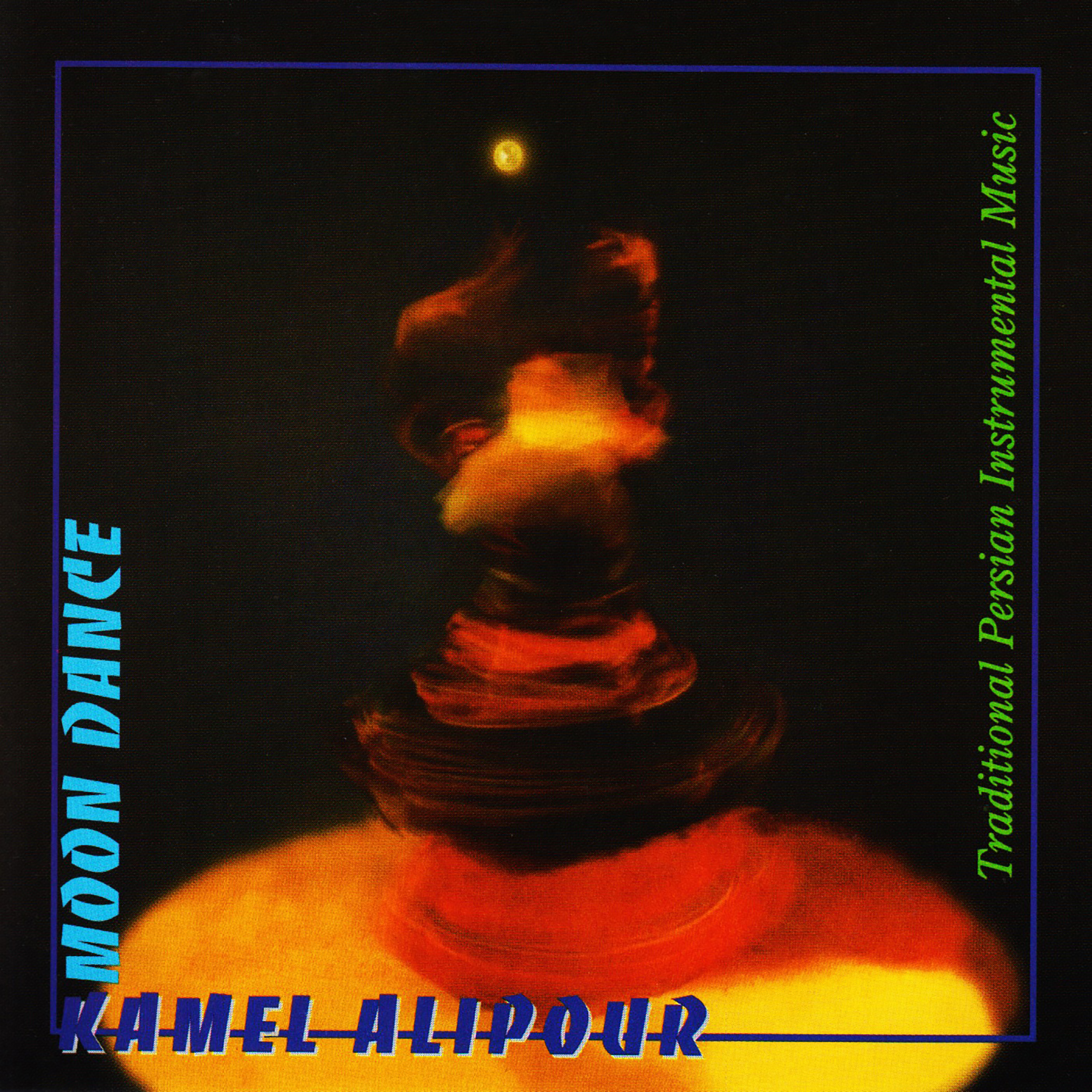
The traditional sounds of Persia come to life on the album composed, arranged and performed by Kamel Alipour entitled "Moon Dance". Classical Persian music is an ancient art form whose integrity and character must be preserved by those who have lived and breathed its essence for a great number of years; Kamel Alipour is one such musician. He displays remarkable skill and versatility on both Tar and Setar. The deft touch of Kamel Alipour results in a beautiful music that is not only logical and technical, but highly emotional and spiritual as well; it is a delight to experience.
He began studying the Tar at the Tehran Academy of Music, under the guidance of Ustad (master) Ali-Akbar Shahnaazi. Later he attended Tehran University, where he expanded his knowledge of Persian classical music theory, while studying Setar, Daf, and traditional singing techniques.
Kamel Alipour shows adept versatility on both Tar and Setar, creating beautiful solo improvisations, some of which took as much time to record as it takes you to listen. His music is technical as well as logical, and emotional as well as spiritual. In short — "a mere pleasure."
Classical Persian music is an ancient art form. Its roots can be traced back to the flourishing cultural germination that took place under the Parthian (349 B.C. – 226 A.D.) and Sassanid (226–651 A.D.) dynasties. This music is organized into seven scales and modes, called Dastgahs with five smaller sub-sets called Aavaz. Each of these scales require specific emotional considerations exemplified by special melodic patterns called Gushes (pronounced goosheh). Spontaneous emotive improvisation is at the heart of this art form but must adhere to the paths governed by the Gushes. There are approximately 250 different Gushes distributed among the seven Dastgahs, creating a myriad of possibilities.
All songs composed and arranged by: Kamel Alipour
All instruments played by: Kamel Alipour, except Dunbak by Siamak Pouian
Sound engineered and mixed by: Yousef Shahab at 42nd Studio, Hollywood, California
Cover concept, art direction, photography & graphics: Koorosh Angali
Photo Model/Dancer: Shahrzad Khorsandi • Computer Graphics Support: Jayce Farahmand
Producer: Aldoush Alpanian • Executive Producers: X DOT 25 Music Productions
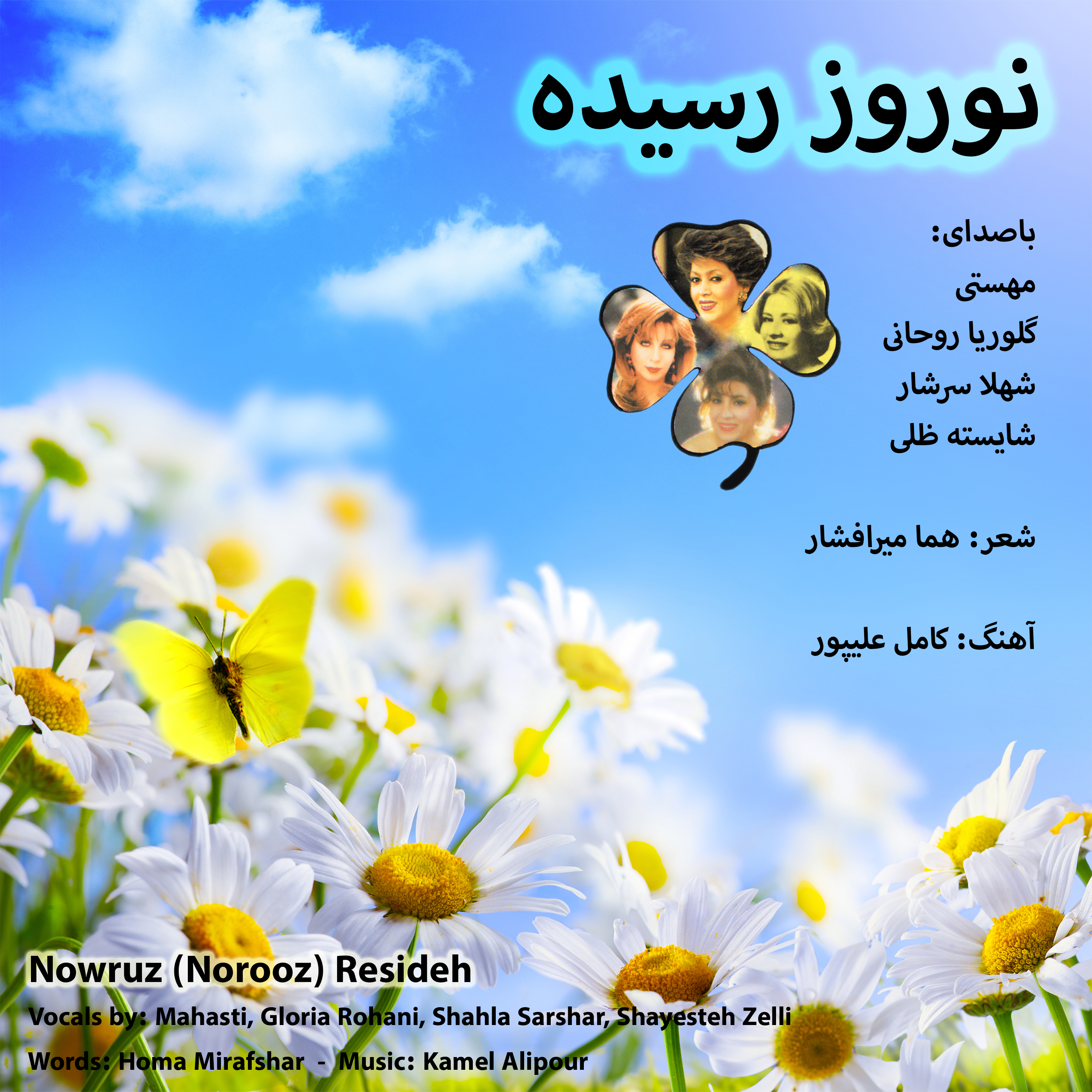
Music by: Kamel Alipour • Words by: Homa Mirafshar
Vocals by: Mahasti, Gloria Rohani, Shahla Sarshar, Shayesteh Zelli
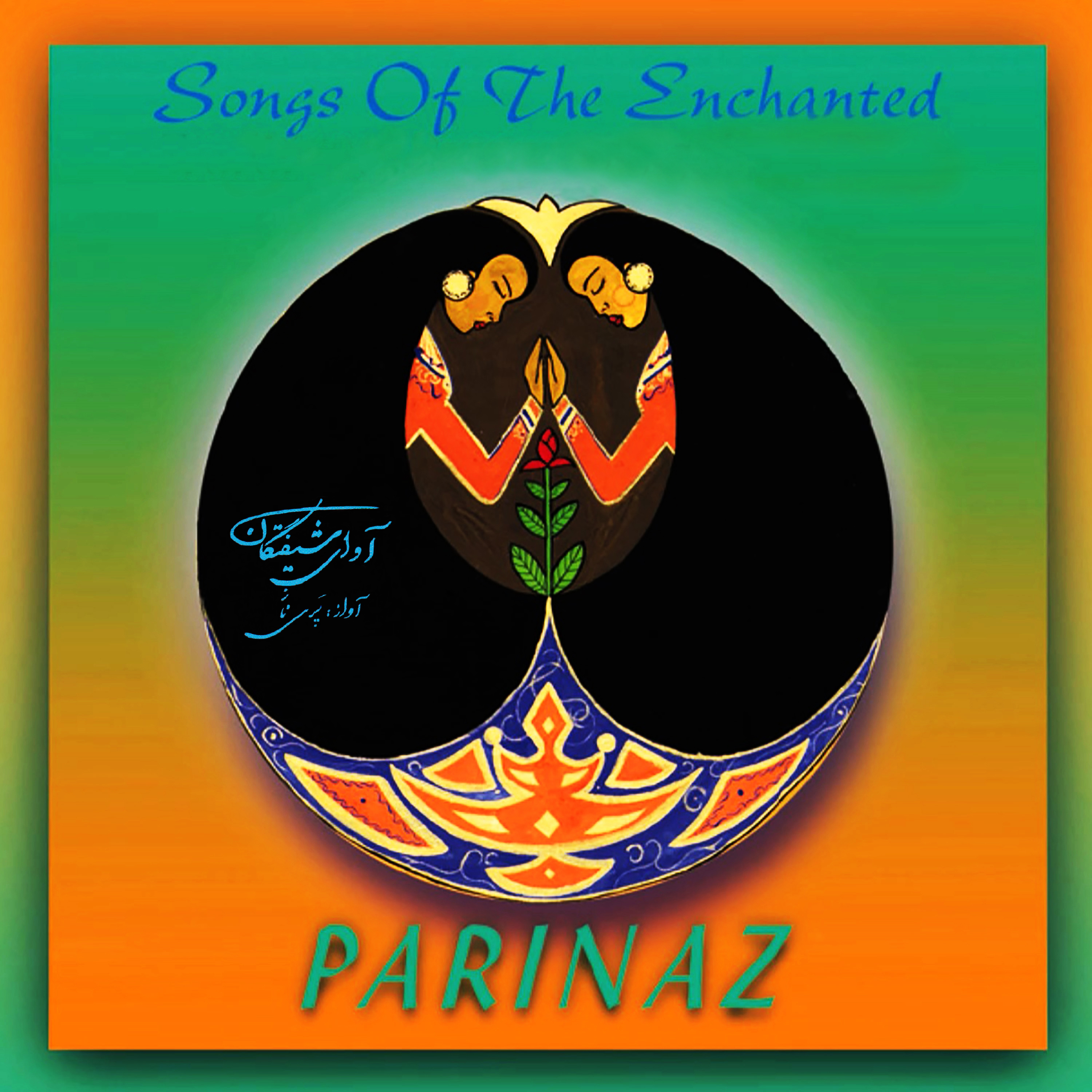
In 1994 Kamel wrote the album "Songs of the Enchanted" for Parinaz. He played all the instruments in this album besides Tombak. He also sang two of the songs — Mozhdeh Bedeh and Ghohar-e Vasl — in this album.
In the song Chal Ashigh, Kamel Alipour on Setar accompanied Mr. Yaghoub Zoroofchi singing this epic song. A must hear! (Circa 1995)
Kamel Alipour the Tar Maestro performing with Strunz and Farah.
The following songs from Yussi & Django's Bandidos De Amor are representative of the same style and spirit — a similar fusion of Persian classical strings with world guitar sensibilities:
Sufi • Kashghar • Shaharzad • Dance of Djinn • Snakes of Azhidahak • Desert Storm
Also look for Axiom of Choice's "Beyond Denial" and Yussi & Django's "Bandidos De Amor" — both on X DOT 25 Music Label (Circa 1994).
In 1993 Kamel wrote the epic Darvishan album with the voice of one of the most prominent Persian female vocalists Homayra.
بیایید بیایید، گلِ عشق دمیدهست بیایید بیایید، که نوروز رسیدهست ای هموطن، عیدِ من و تو جوشِ بهار است وقتی که درختان همه گلپوشِ بهار است ساقی پسِ پردهست، به مستی و فلک مست ذراتِ طبیعت همه مینوشِ بهار است سنبل زِ سرِ شوق به تن جامه دریدهست نوروز رسیدهست چون ابرِ بهاران زِ سرِ کوه برآمد نرگس به غزلخوانی با تاجِ زر آمد در دامنۀ کوهِ دماوند گلِ لاله دمیده نوروز رسیده این مخملِ چشمانِ بنفشهست به صحرا این رقصِ شکوفهست به صد رنگِ فریبا بیارید بیارید، پس سنتِ دیرین گل و شمع بیارید سرِ سفرۀ هفتسین آن سیب و سماق و سمنو، سرکه و سنجد آن سبزه و سیر است در آن سینیِ زرین ببوسید در این عید همه چهره ی هم را به بیگانه نمانید که جزخویش ندارید عشقست که بر قفل فروبسته کلید است نوروز رسیدهست