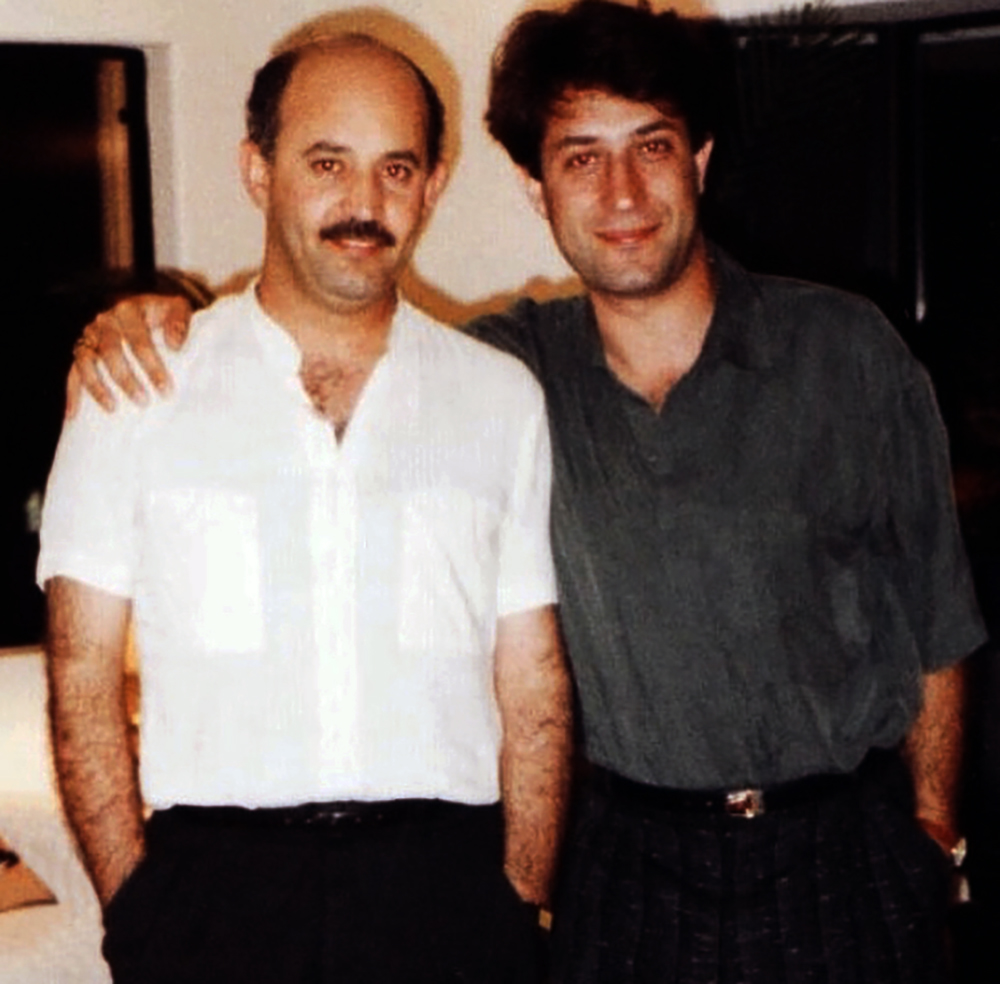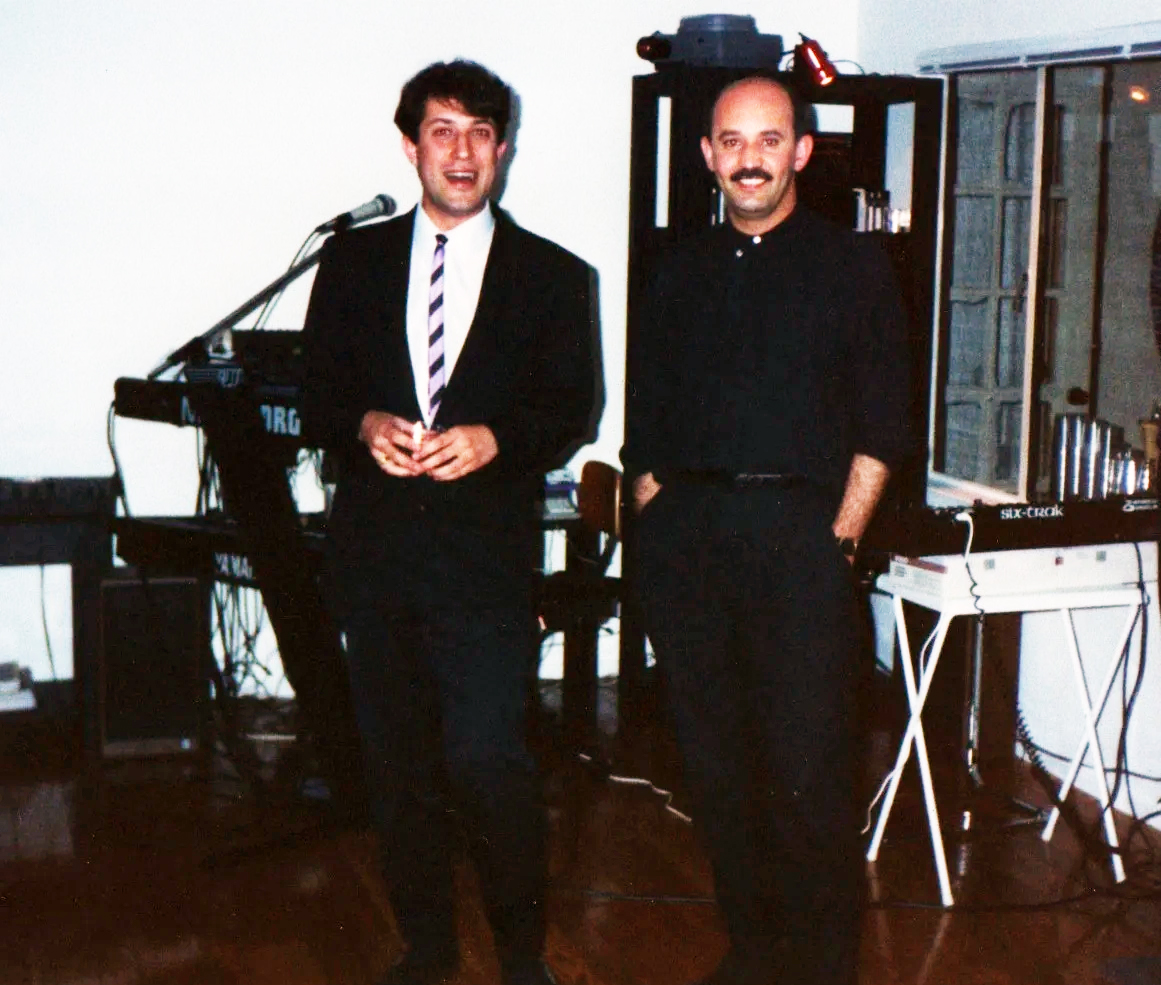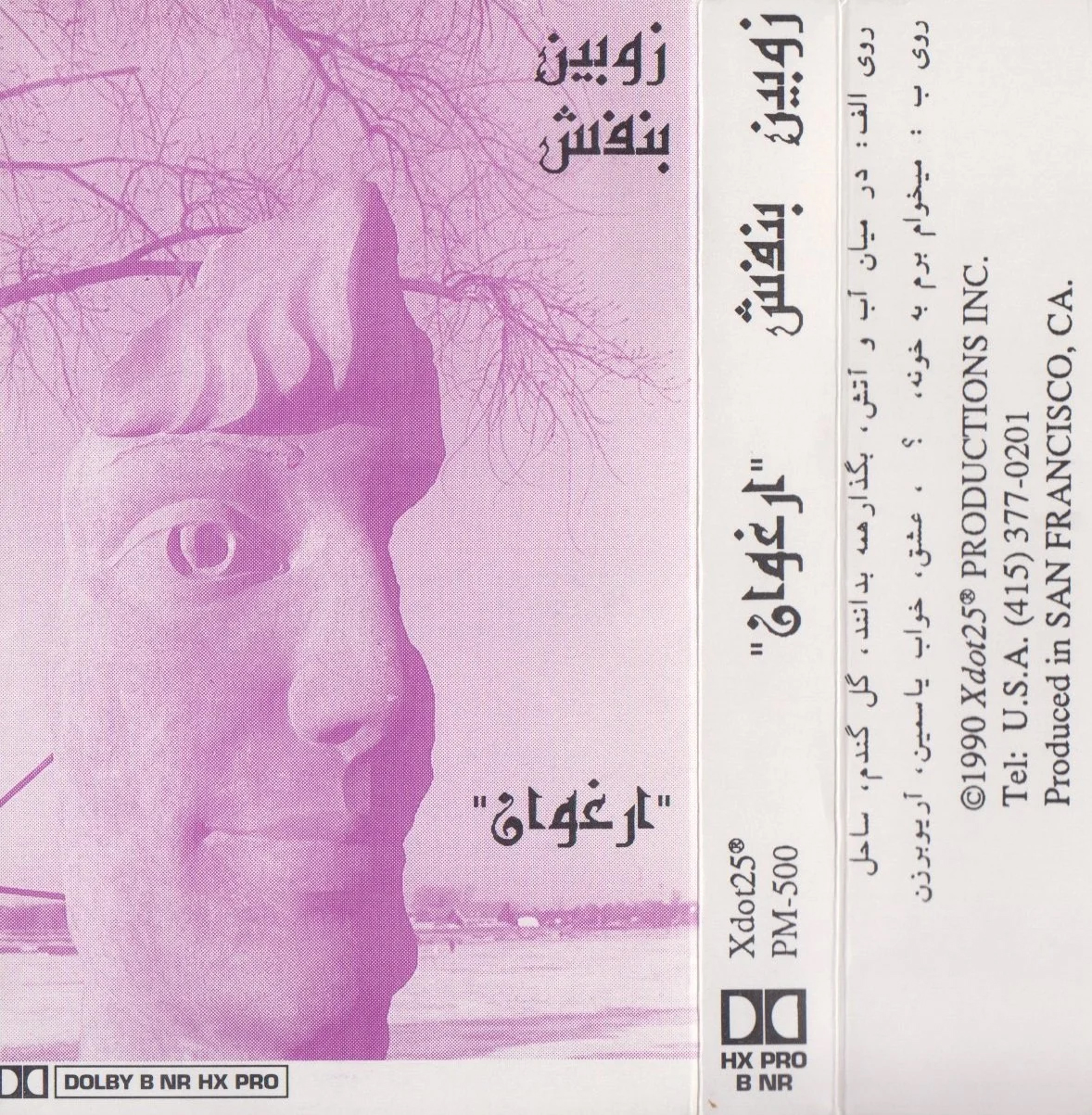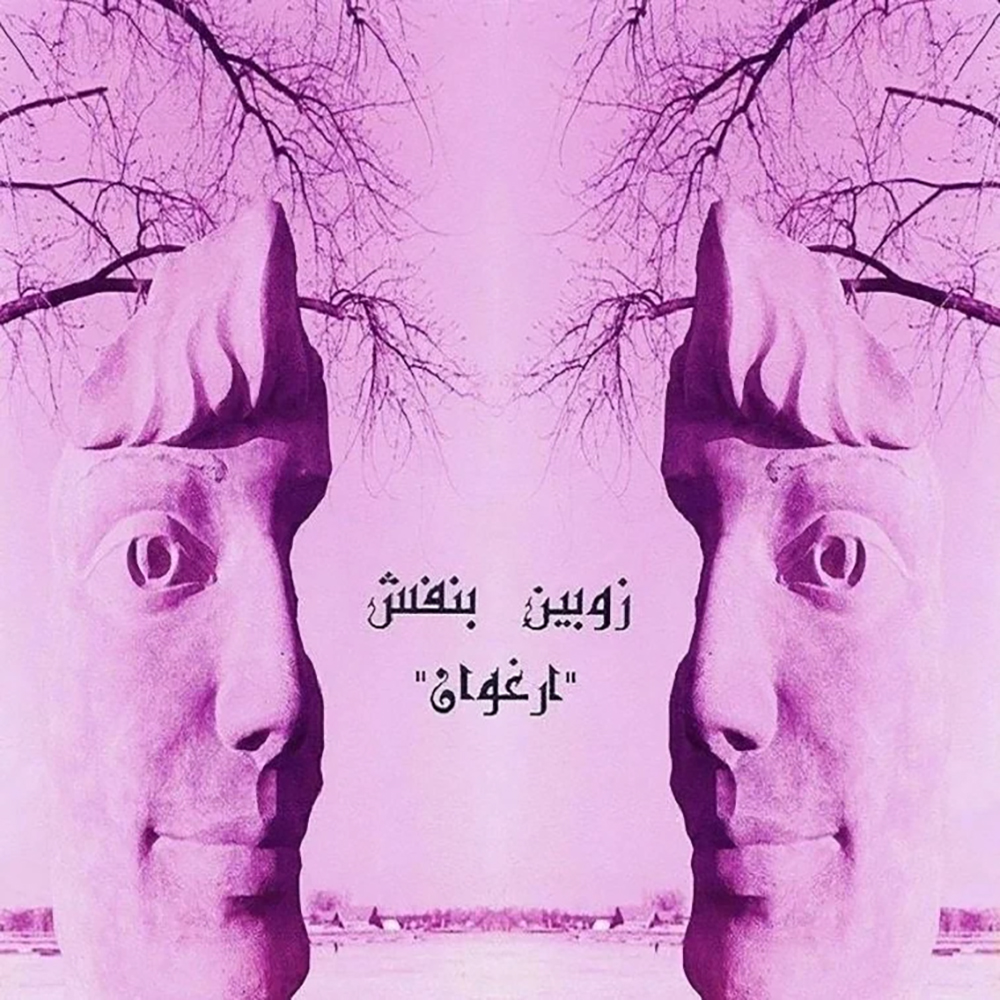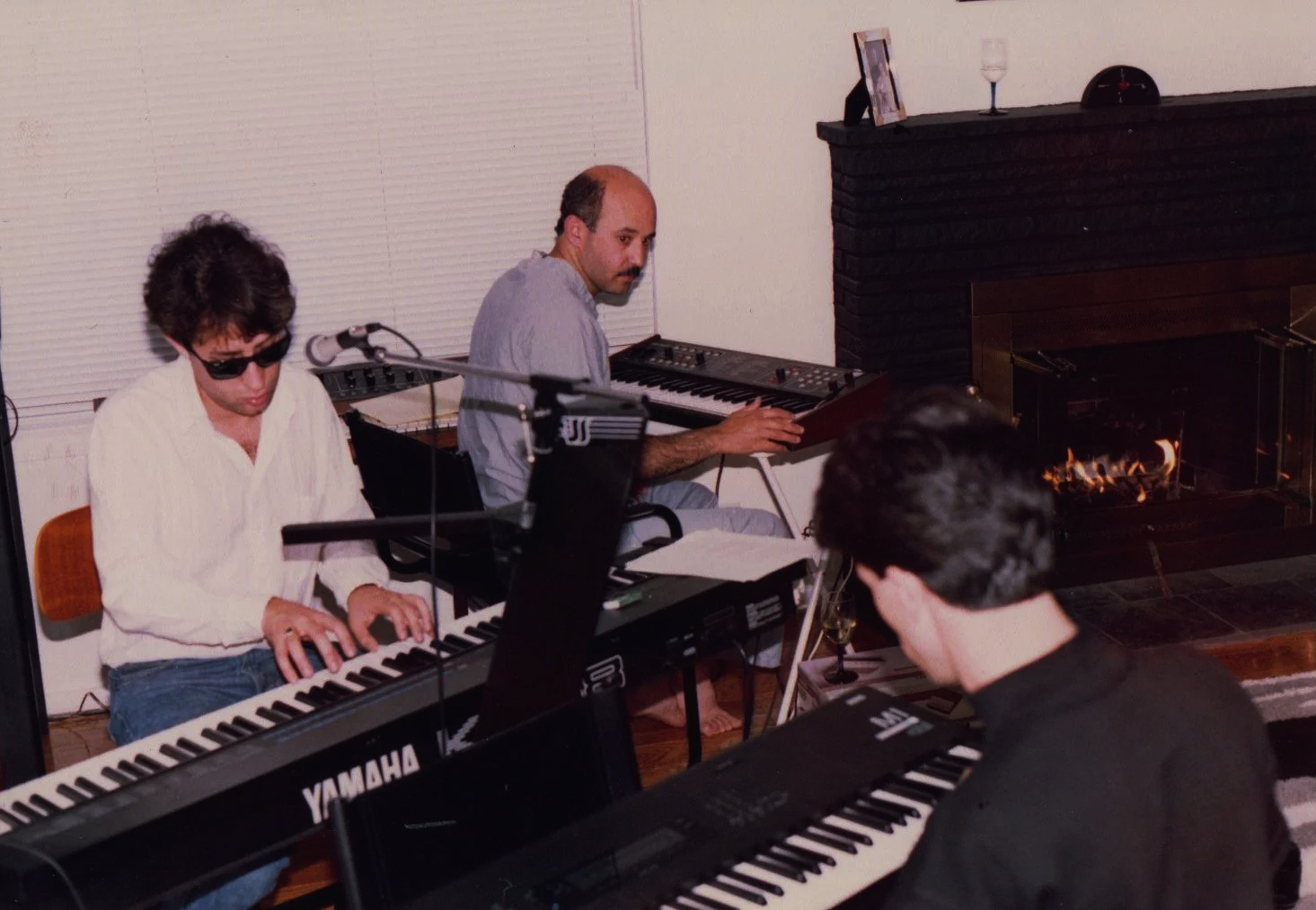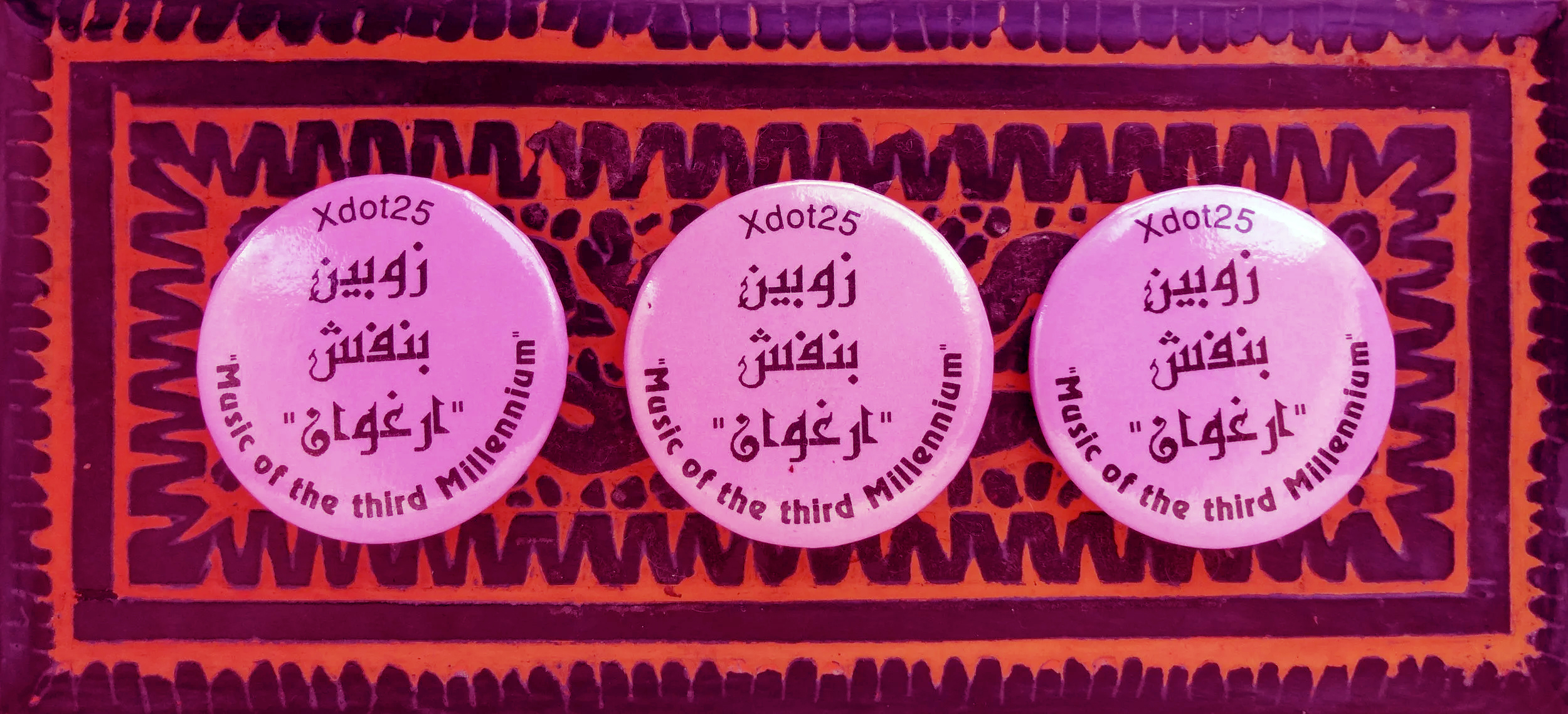
Zoobeen Banafsh was the original and first X DOT 25 Music band, formed circa 1990 — where it all started, and the inception of what would become “World Music” for the label. The band was founded by Max Ahmadi & Payman Abdali, the founders of X DOT 25 Music.


When Zoobeen Banafsh released their Arghavan album, the B-side of the cassette held a mystery: the second song had no title — just a question mark (?). Now, 35 years later, the name can finally be revealed — “Für Elise” by Beethoven.
This track stands as one of the first examples of World Fusion music. The band took the famous German composer’s classic, originally in 4/4 time, and reimagined it with a Persian 6/8 rhythm — the signature beat that drives Persian music’s distinctive dance grooves. The result was a bold cultural fusion, blending East and West in a way that was truly ahead of its time.
Although 2,000 copies were originally pressed, only about 1,000 are believed to still exist. They are now considered collector’s items, rarely changing hands — none have ever been spotted on eBay.
Originally the band pressed 1,000 copies of the cassette tape, and before they were distributed the band decided to re-record some of the songs and repressed a second 1,000. The first batch was destroyed, so what is out there now is the second batch of 1,000. Tape Specialty Inc. in Fremont, California produced and packaged the cassettes. The finished cassettes ended up stacked in Max’s living room in San Mateo, awaiting distribution — where the band realized what they were up against: the complex process of distribution.
Arghavan may sound funny, raw, and experimental by today’s X DOT 25 Music standards, but it represents the band’s beginnings — a sincere and fearless expression of creativity and innovation. The group is proud to share it once again, along with its remarkable history.
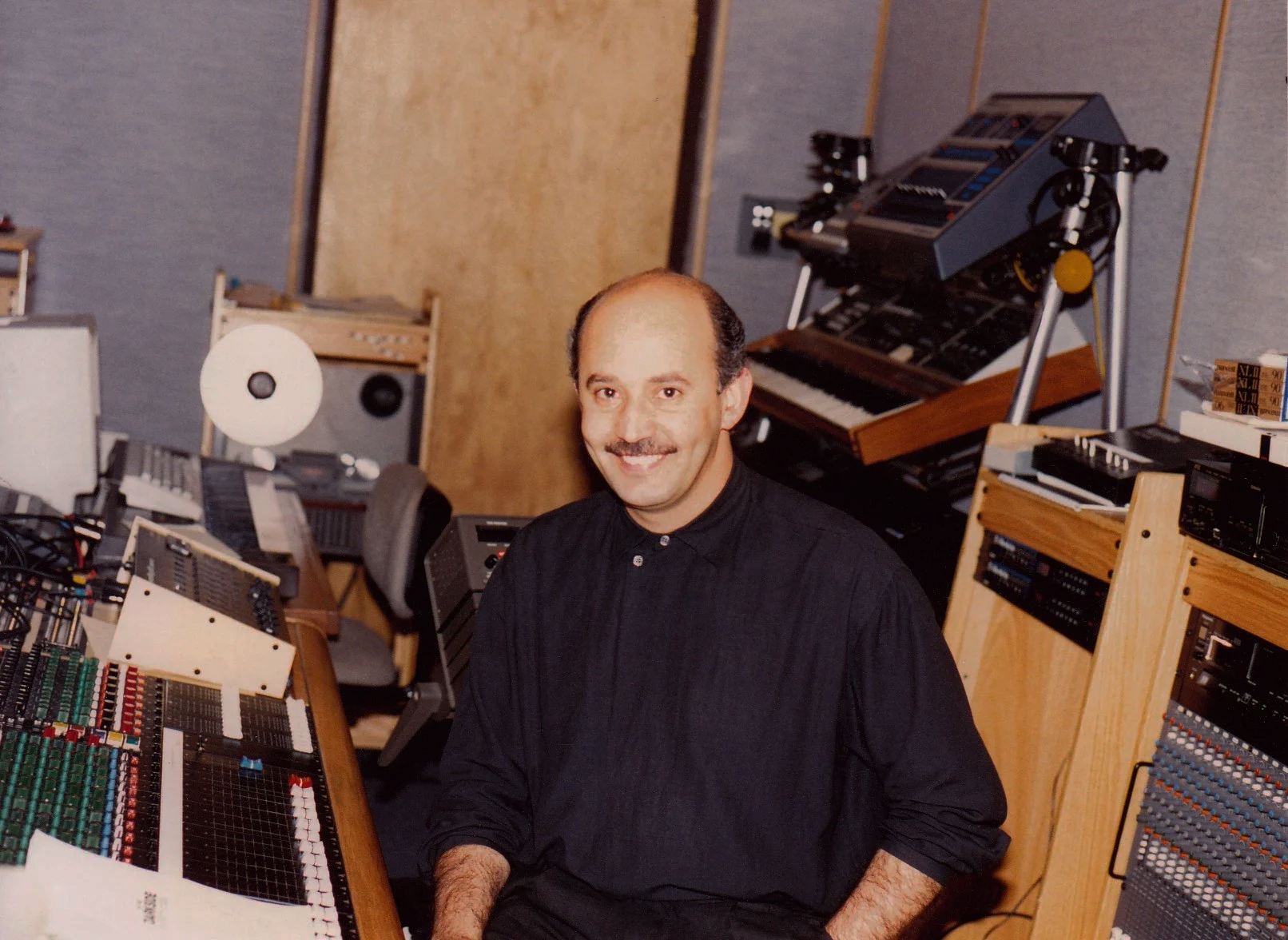
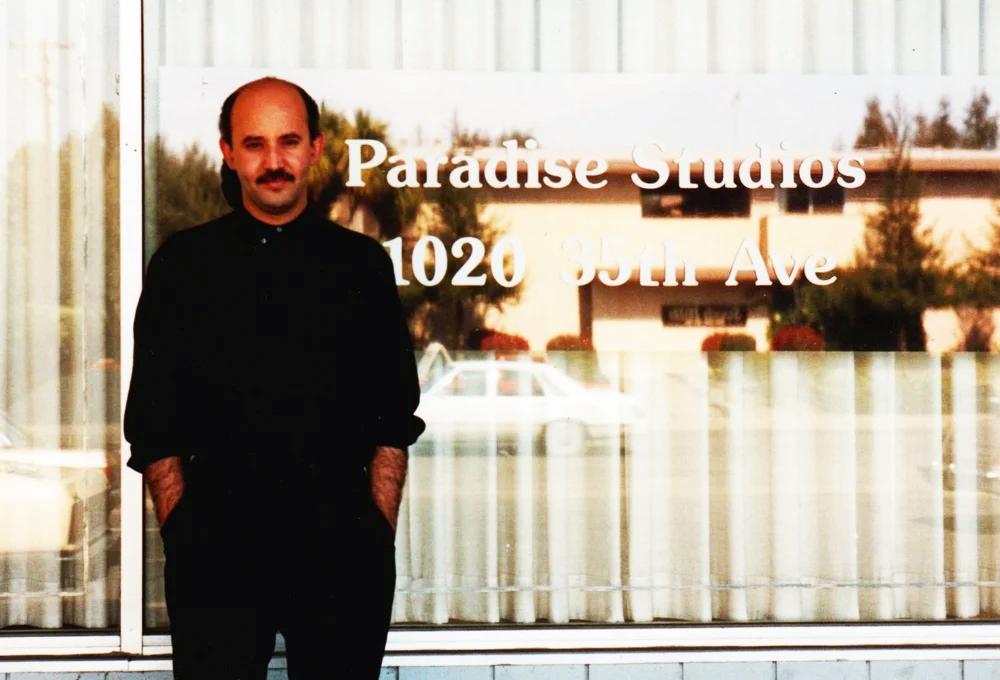
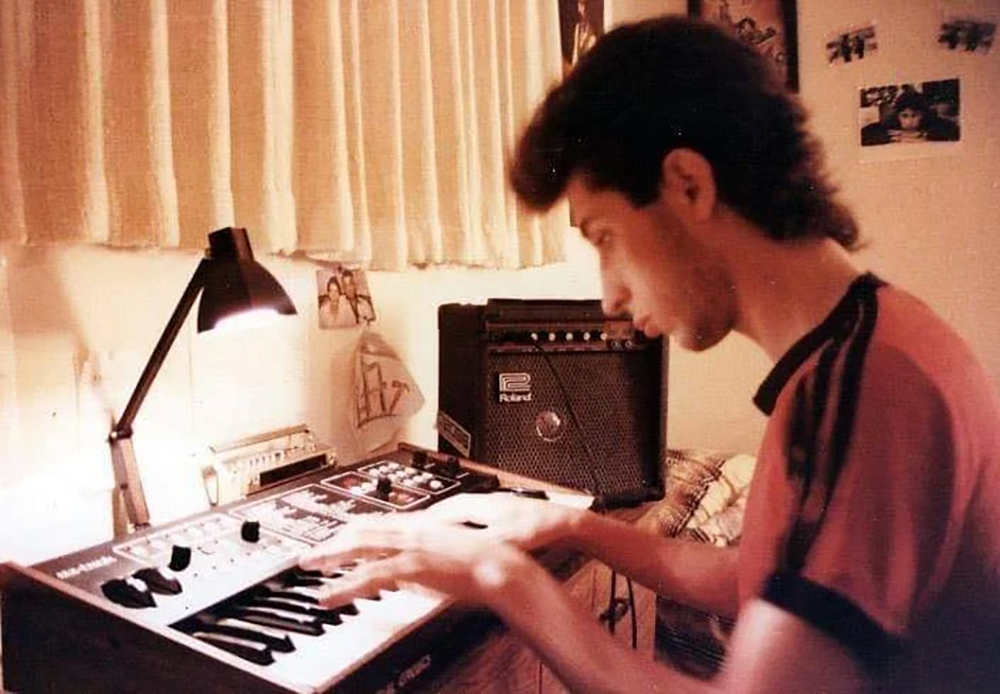
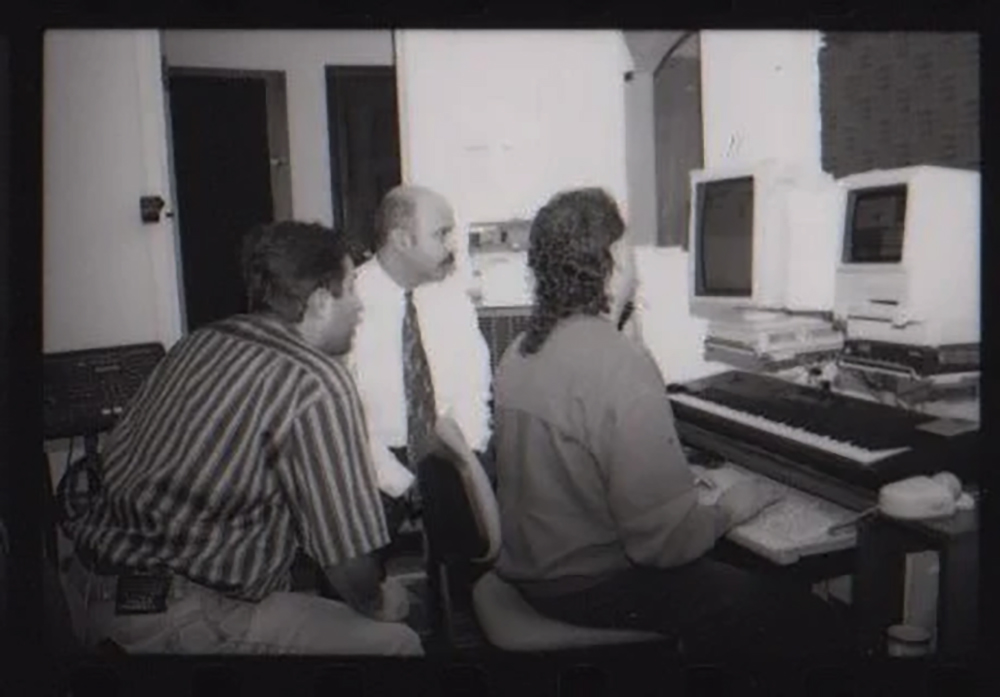
Max Ahmadi (Zoobeen) — Paradise Studios, Sacramento · Arghavan Recording Sessions · Circa 1990
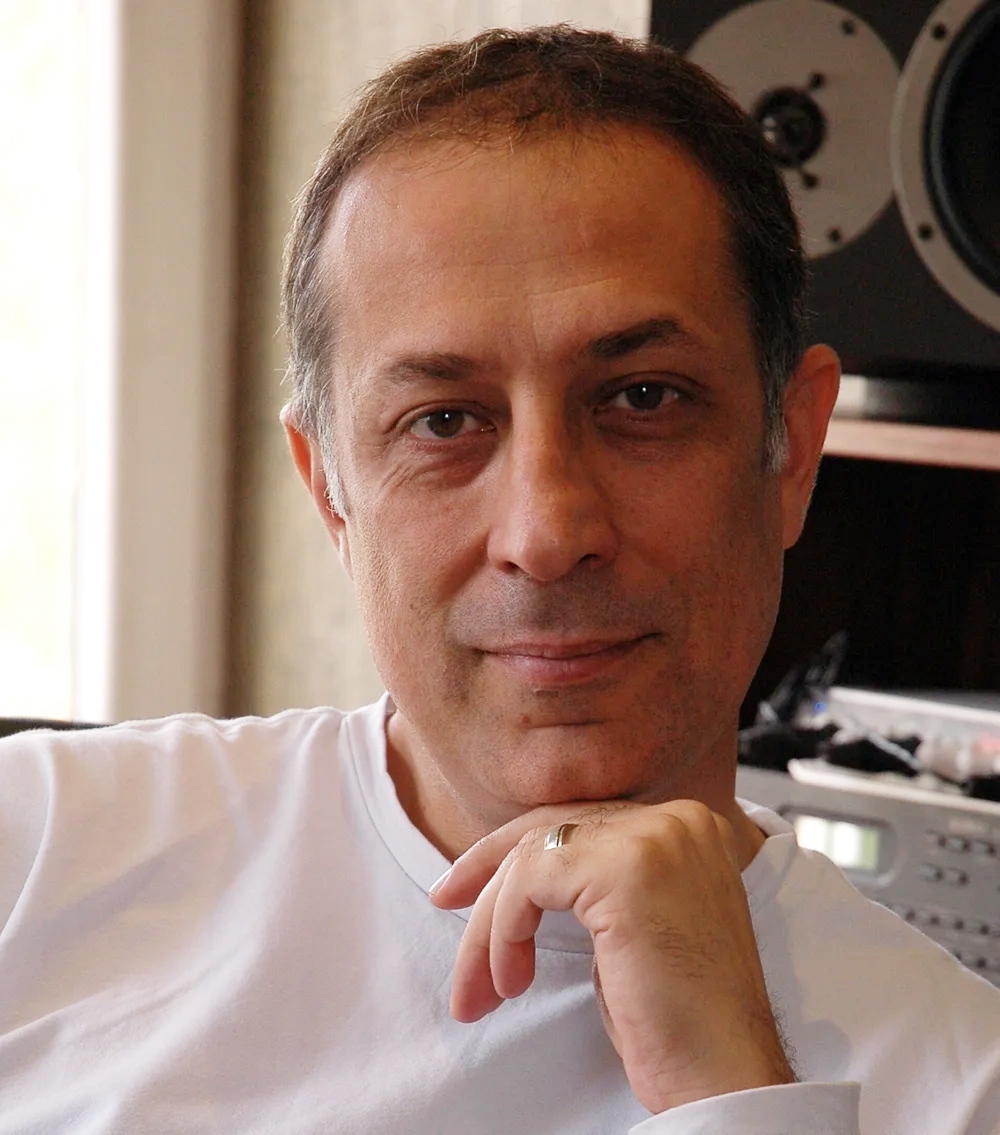
Max Ahmadi has been a music visionary all his life, starting at age 7.

“Coming from a large family of eight and being the youngest of all, at around five years old I was introduced to classical music. My oldest brother Manocher — for many years my leader and mentor — brought us a Grundig open-reel player from one of his trips to Germany, along with some classical reel tapes, especially Beethoven’s Symphonies No. 5 and No. 9 and Mozart’s Symphony No. 41. That was all I had to listen to on that machine. Later I listened to Rodrigo, Chopin, and others. In my early teens I discovered Pink Floyd, Genesis, King Crimson and the Moody Blues — a good dose of heavy music with deep lyrics — and that is when I noticed the correlation between music and the philosophy of life, emotions, and more. I found music to be the soundtrack of my life; it transcended everything else — songs like Epitaph by King Crimson, Melancholy Man and Nights in White Satin by the Moody Blues, and Welcome to the Machine by Pink Floyd.
When I was eight, one summer I made my first movie — with music and all. Watching TV, I decided to make my own film and a box to show it in. I cut pictures from books and magazines and pasted them frame by frame, then rigged a cardboard box with a viewing window, a little curtain, and a spotlight so the images could be seen in the dark. I invited my friends into our dark basement and put on a show with classical music, reciting the story for them — they even paid admission to get in!
In my early teen years I listened to Western classic rock alongside classical music, and suddenly my brother Abe brought home a tape he had received from a friend — the music of Tangerine Dream and Klaus Schulze. I found that music totally amazing, and alongside it we discovered Vangelis and a whole slew of electronic musicians, including Jean Michel Jarre.
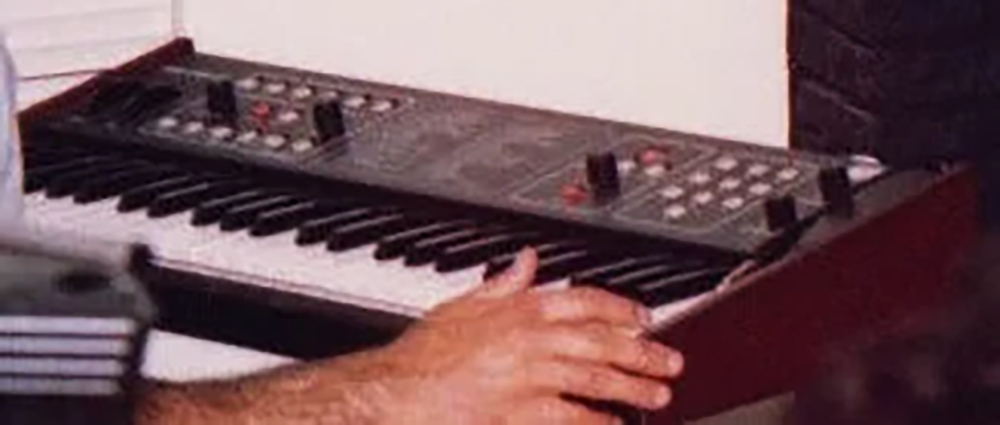
When I started college in Connecticut, I planned to become a mixing engineer running the big sound-and-light boards at concerts, so I majored in Engineering — through USC, UC Berkeley, and finally graduate school at Stanford, after which I ended up working in Telecommunications. But music still ran strong in every artery of my life. In 1981 we bought a Prophet 5 synthesizer, made by a small company called Sequential Circuits in San Jose, California — and the whole world changed for me even further.”


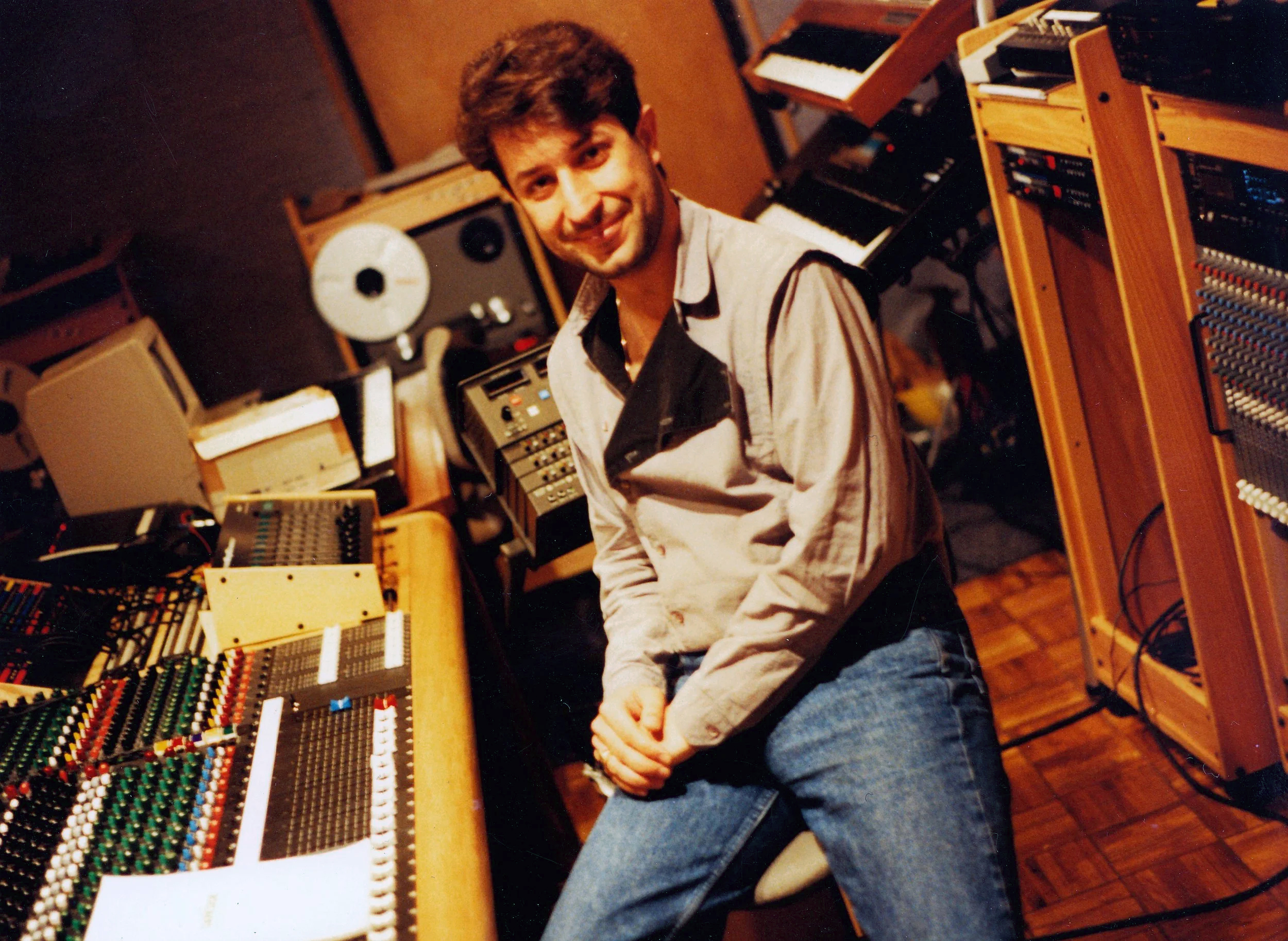
Payman Abdali (Banafsh) — Paradise Studios, Sacramento · Arghavan Recording Sessions · Circa 1990


Payman Abdali is a synthesist who creates an astonishing soundscape in his music. His debut instrumental album, “Angel of Thoughts,” is a powerful sonic story that carries the listener to distant Persia. Payman began writing music on synthesizers and computers, honing a deeply personal musical vision — painting a picture of a land and culture torn between the ancient and the modern, and sharing with his listeners his gift of harmony and rhythm.
“At the ripe old age of seven, my imagination took flight; I soared in ‘Ether,’ I felt free as a bird. I wanted to build a spaceship to take me there, where my thoughts found no boundaries. On my eighth birthday, my father gave me a chemistry set that tantalized me beyond description. My enthusiasm overflowed — now I was a scientist, truly immersed in the process of finding the ‘Ether,’ the substance that had eluded discovery for ages.
At eleven, I embarked upon learning mathematics and logarithms and their interrelationship with everyday life and its manifestations. I was curious, driven to learn and to relate numbers to the many fields and practices around me. My dreams were taking shape; I became more methodical, and music entered my life — or shall we say, I was given to music. My thoughts took flight, and I conducted my first orchestra in my dreams, to my own total astonishment and amazement. Music had impacted my life with a bang whose reverberations I would hear for many years to come.
In 1978, destiny took a U-turn; I went to England to pursue my education. I had entered a time warp, propelled into the unknown — an impressionable young man in search of his future. I never stopped dreaming; unswervingly and without hesitation I proceeded with my new life and all its nuances. Upon my return home, in times of turbulence and cultural revolution, I formed my first band, called ‘The Human Beast.’ We dreamed and played, and played and dreamed endlessly.
I began composing in 1989, and the dreams came to fruition through my synthesizers. My albums are the culmination of a long journey through time and the realization of many dreams. May this music harmonize with your dreams as it has with mine. Who knows — maybe you and I have had the same dream sometime, and may have been the same person in the ‘Ether.’” … Payman