Arash Adelpour
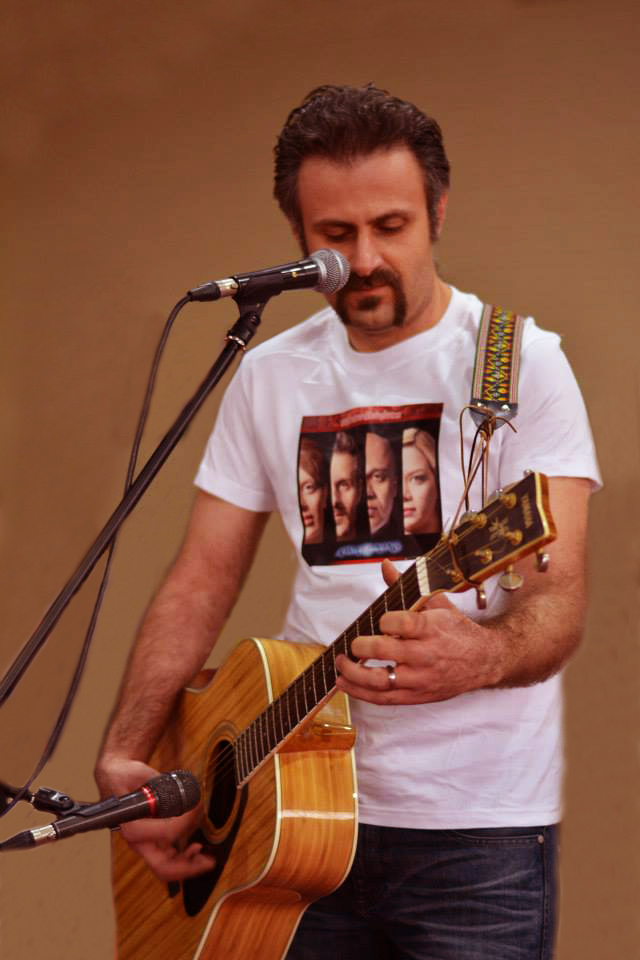
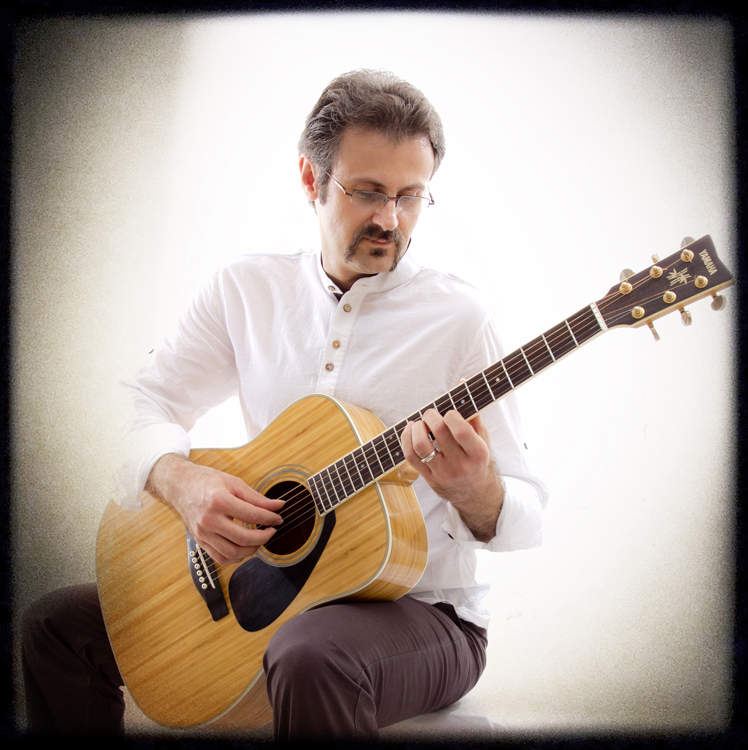
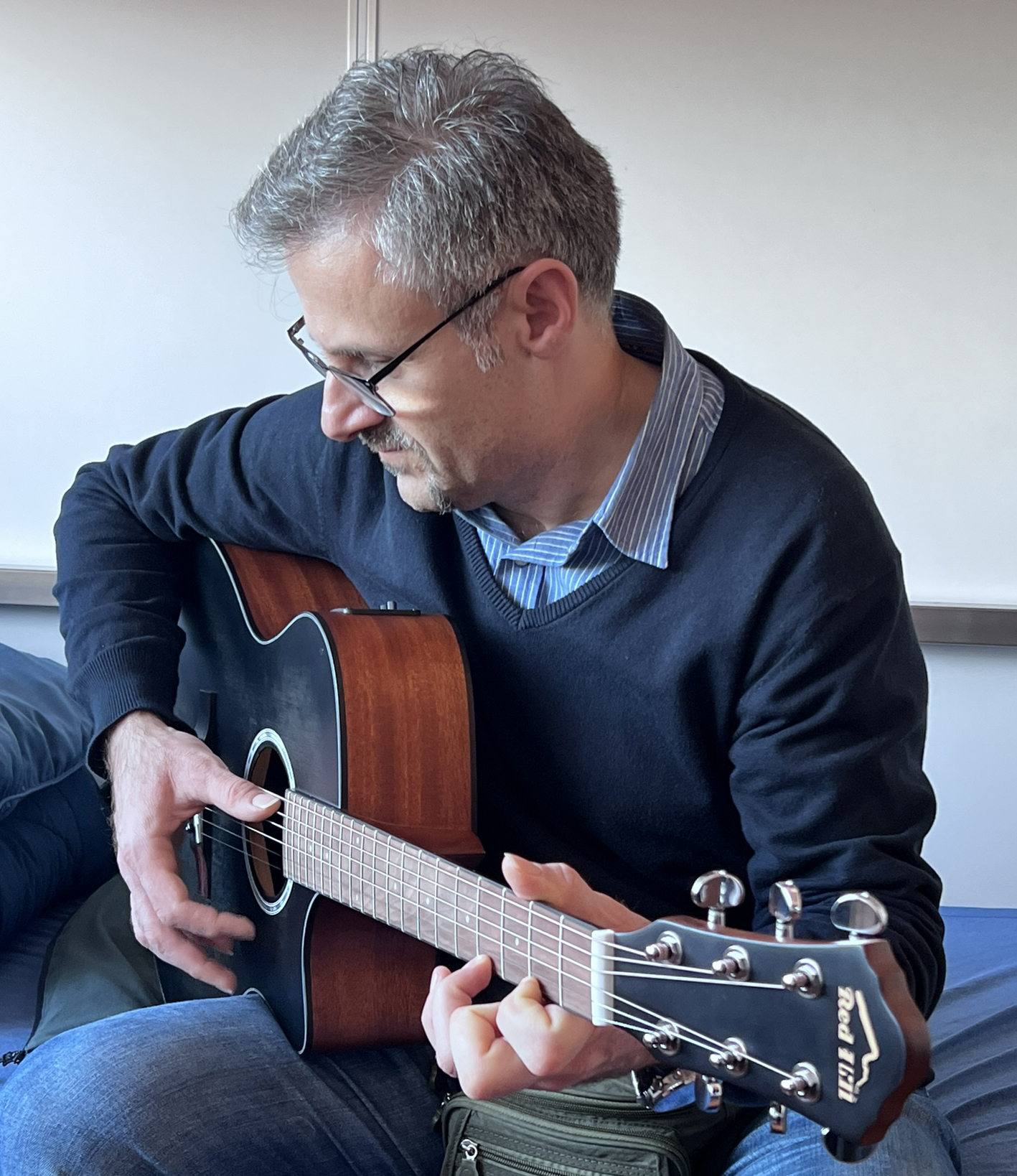
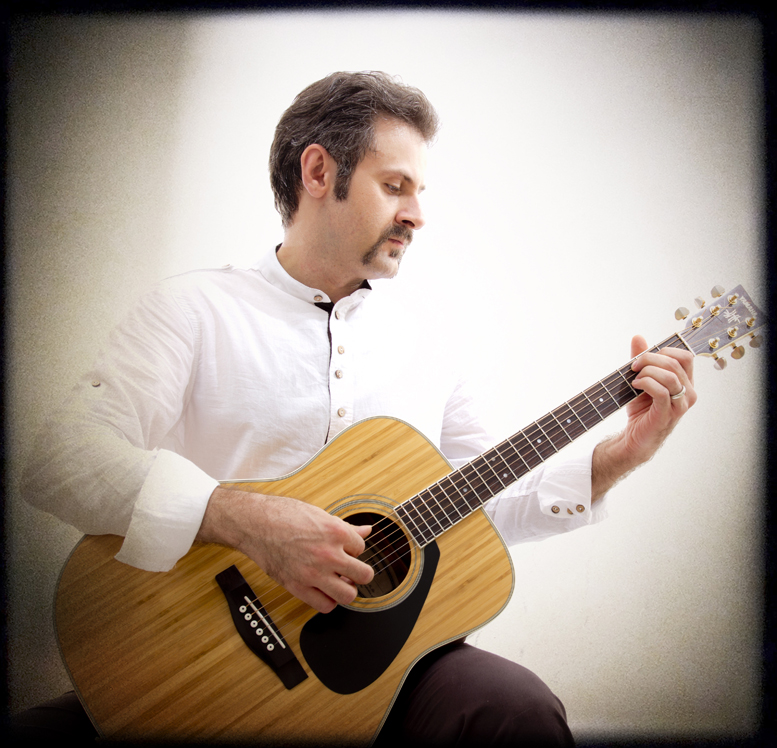
Arash Adelpour is a songwriter, vocalist, performer, producer and sound engineer. Born in 1973, both his mother and father were involved in television programming productions. Arash learnt English and music from his mother from a very early age — melodica at three, accordion at seven and got interested in the guitar at the age of twelve.
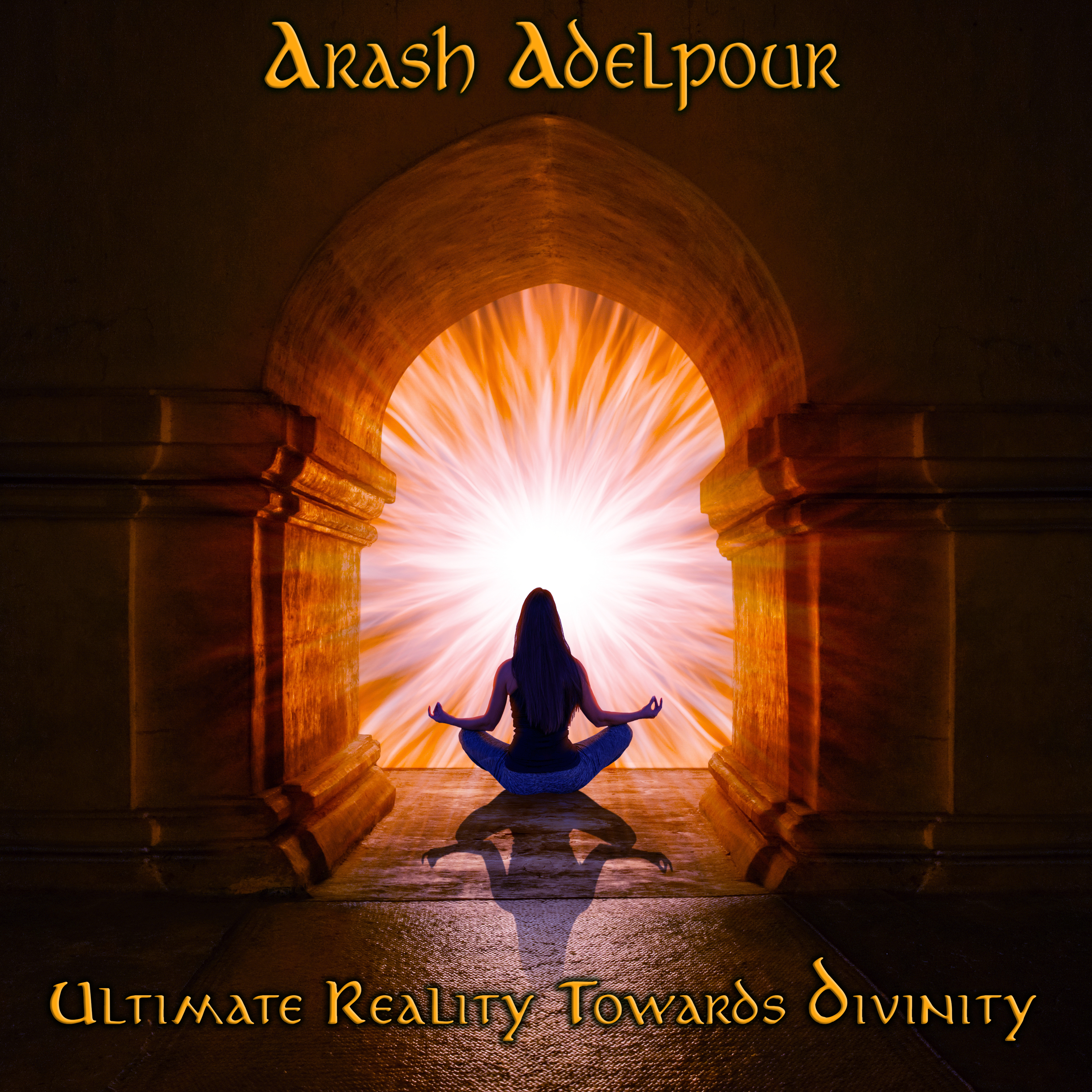
During high school years, Arash also developed an interest in psychology and parapsychology and found great interest in rock music, attending guitar lessons and playing classical guitar. He experimented with different styles including classical, jazz, blues, rock and heavy metal. In the meantime he also attended music theory classes and started studying harmony, modern harmony, twentieth century harmony, forms, orchestration, and song writing. He has performed as a bass-baritone for four years. He formed a "grunge" band called Brainwash in his freshman year at the university. He is best known for his cooperation with many prominent musicians and has gained further recognition after the release of his well received "Ultimate Reality Towards Divinity" album.
1993 was the year that probably set the pace for his future career, when he met Payman Abdali who had shown interest in the Brainwash album. Payman Abdali was an electronic music artist with good experience in music production and recording. Arash entered a completely new genre and started learning about sound and sound engineering. Arash started to find his own style and combined elements from rock, heavy metal, electronic, experimental, world music and fusion. He also learned folk songs from different regions. The puzzle was finally solved after he heard "Ocean" by Stephan Micus, which led him to create a piece which would include all these styles that he had loved throughout the years and to perform them by an acoustic ensemble.
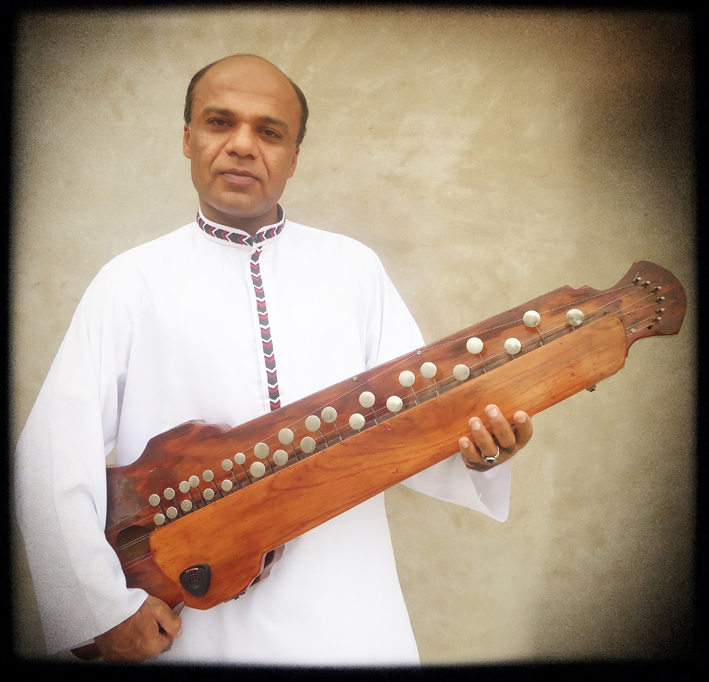
In 1994, together with Payman Abdali, they created a band called Aryo Barzin. In the same year Arash worked on alternate tunings after he noticed that he can make his guitar sound like an Oud or Tanbour (which is the sacred instrument of Kermanshah), by changing the tuning and to play some strings like a resonator. This enabled him to play the traditional folk songs more the way it should sound.
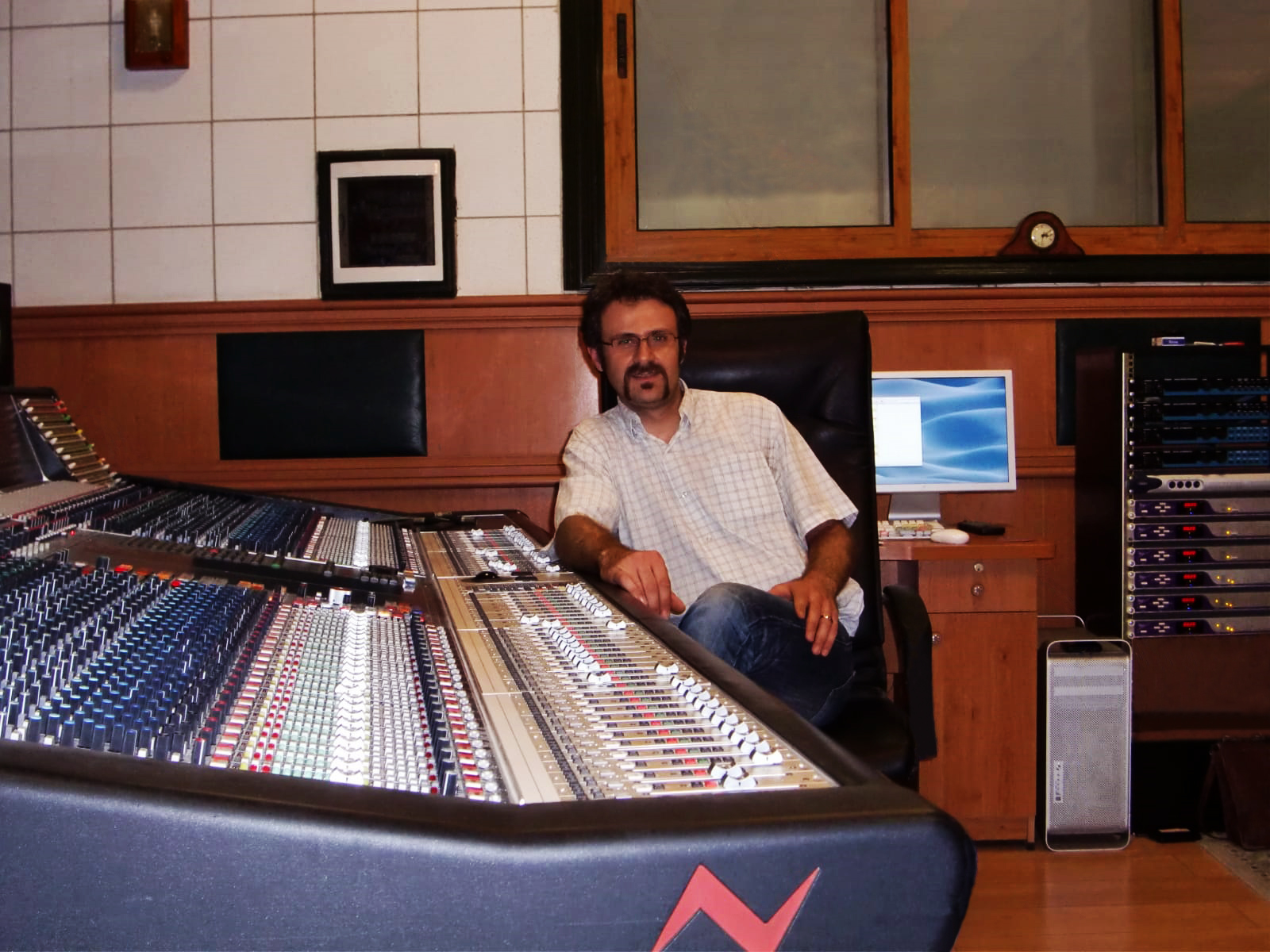
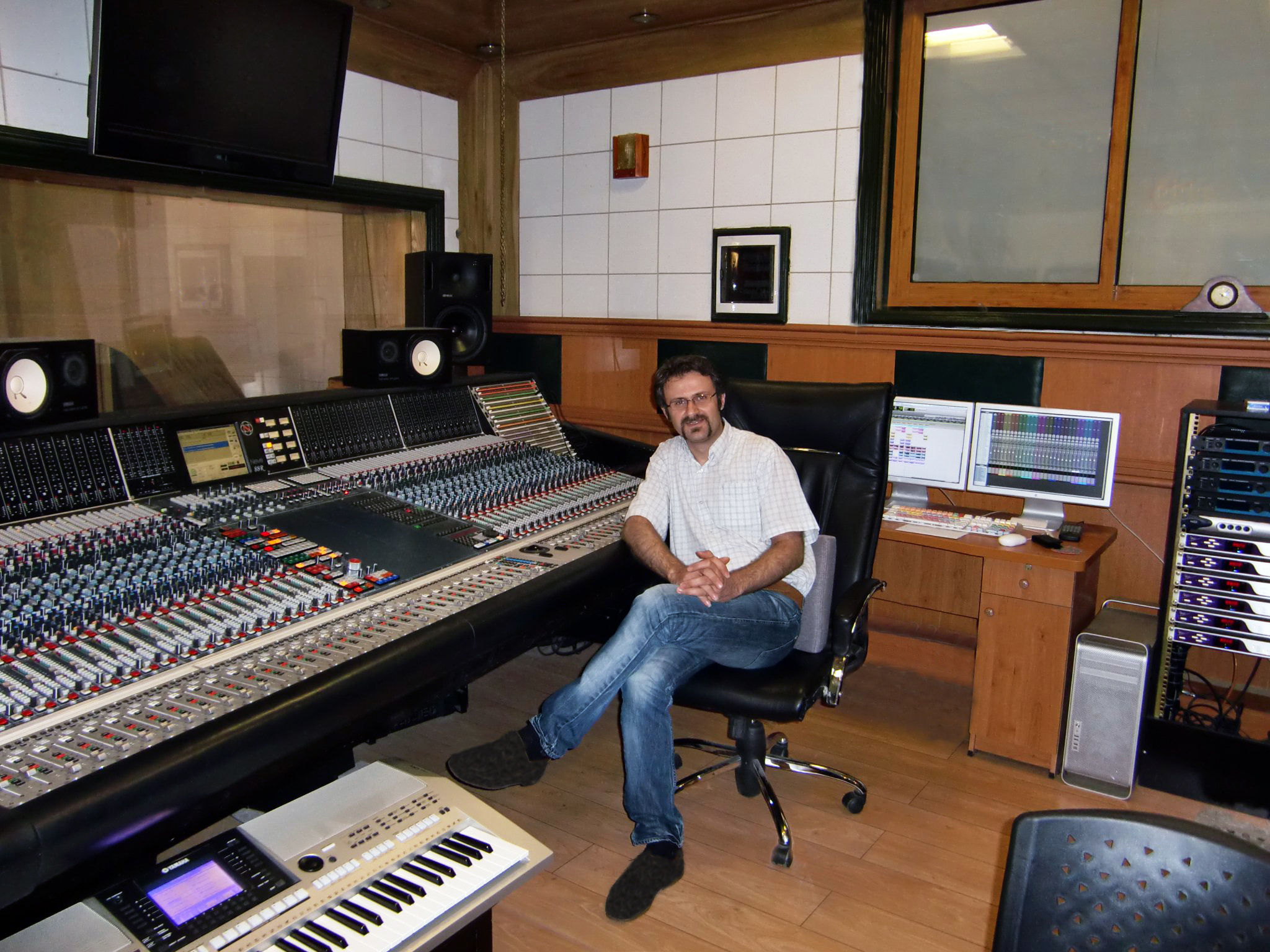
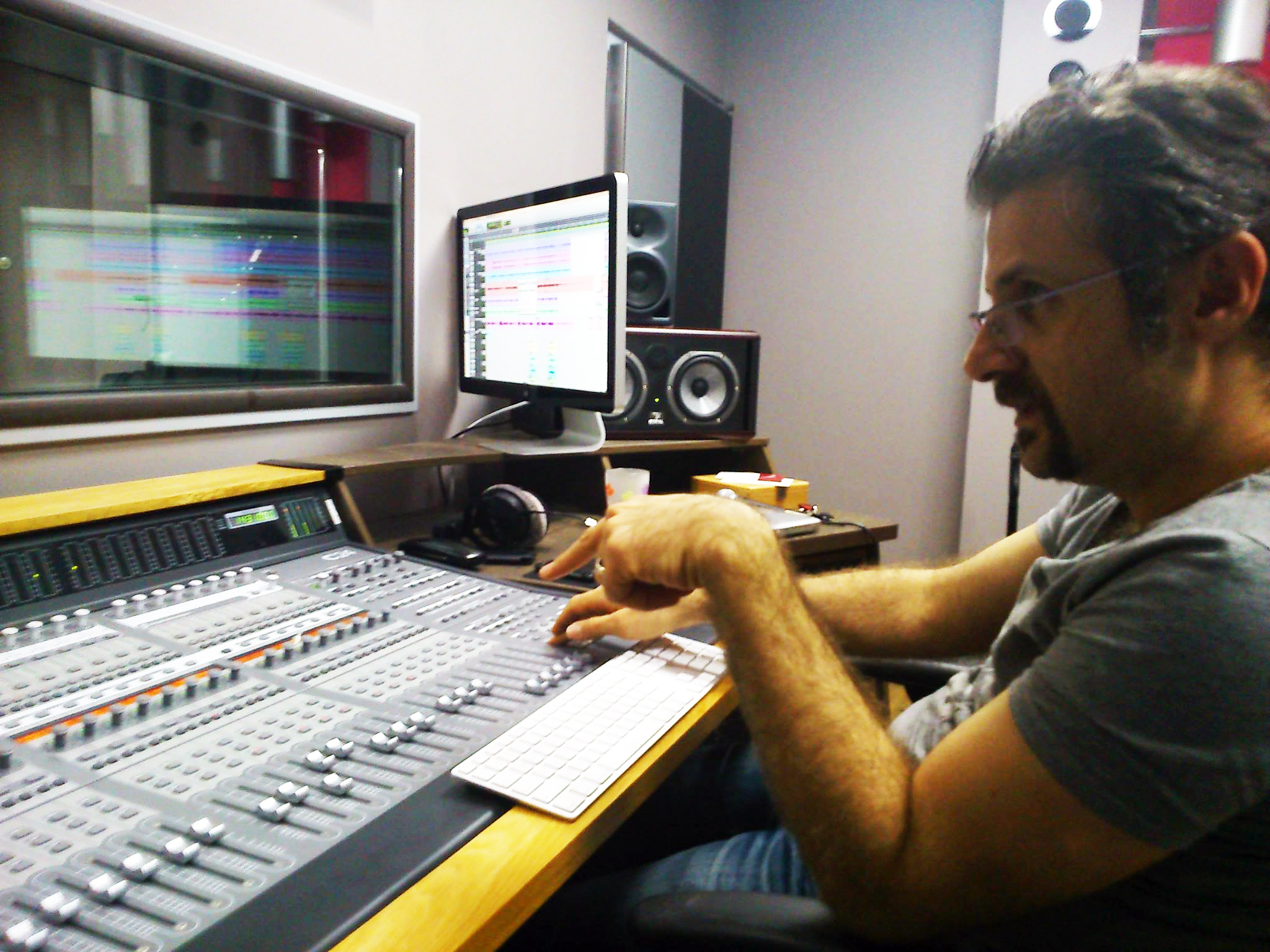
Arash started working at the local sales distributor for Professional Audio products of Yamaha in 2000. He started work as a sound engineer after helping establish digital recording studios then he decided to choose sound engineering as a full time career. He has helped set up 14 major studios and throughout his career, has recorded and produced more than 500 albums, tens of movie soundtracks, more than 25 soundtracks for television series and thousands of tracks.
He has worked with a large number of the most famous names in Iranian music including Hooshang Kamkar, Fereydoon Shahbazian, Sharam Nazeri, Javad Zarrabian, Hooshang Zarif, Mehdi Gurangi, Omid Sayareh, Amir Moeini, Keyhan Kalhor, Ali Akbar Moradi, Hesam Aldin Seraj, Bijan Bijani, Naser Abdollahi, Hamid Hami, Nima Masiha, Hossein Behroozinia, Pejman Haddadi, Iraj Khajeh Amiri, Ehsan Khajeh Amiri, Amir Karimi, Alireza Eftekhari, Hamid Fooladi and many other prominent world music musicians.
Contact: ArashAdelpour@gmail.com