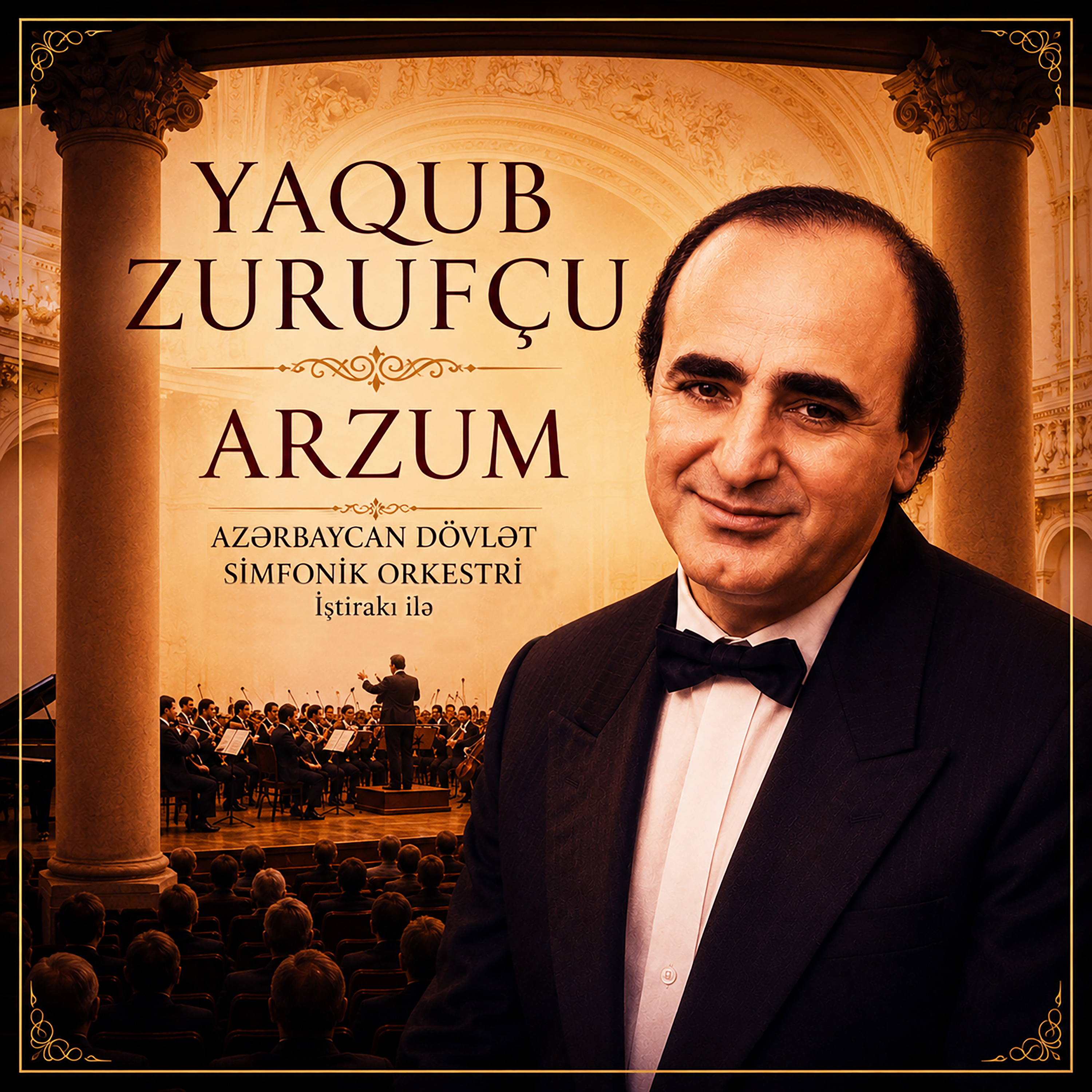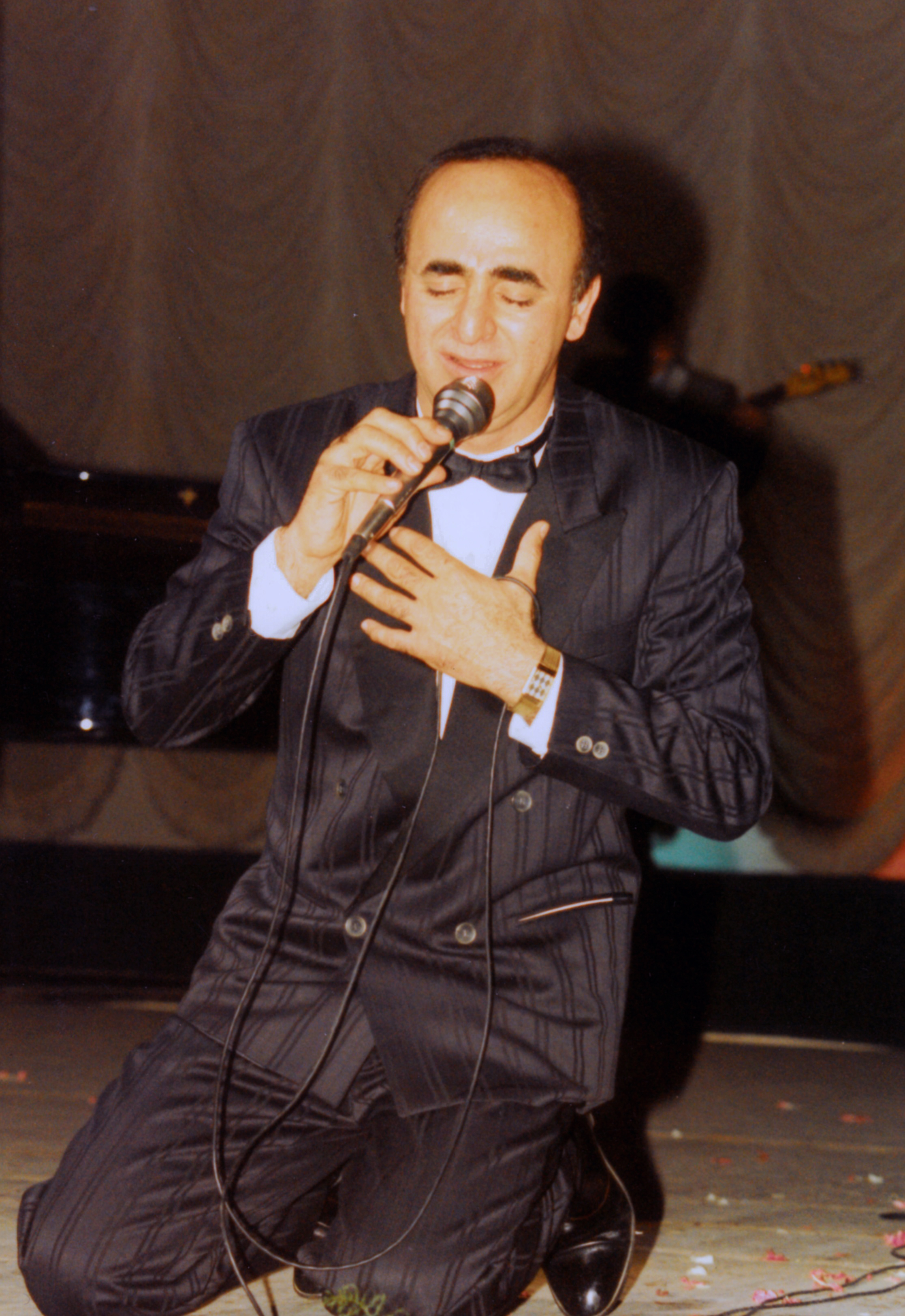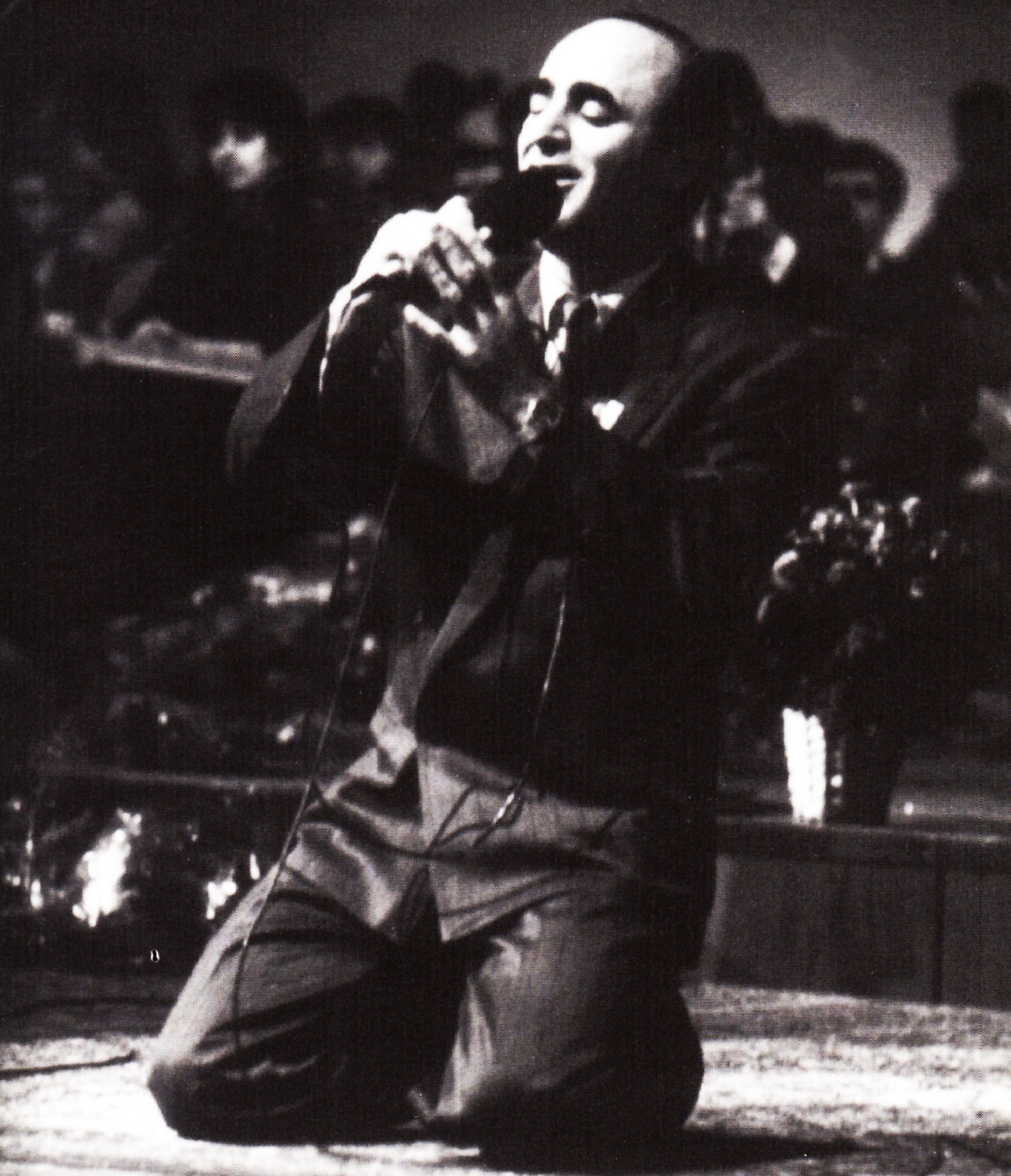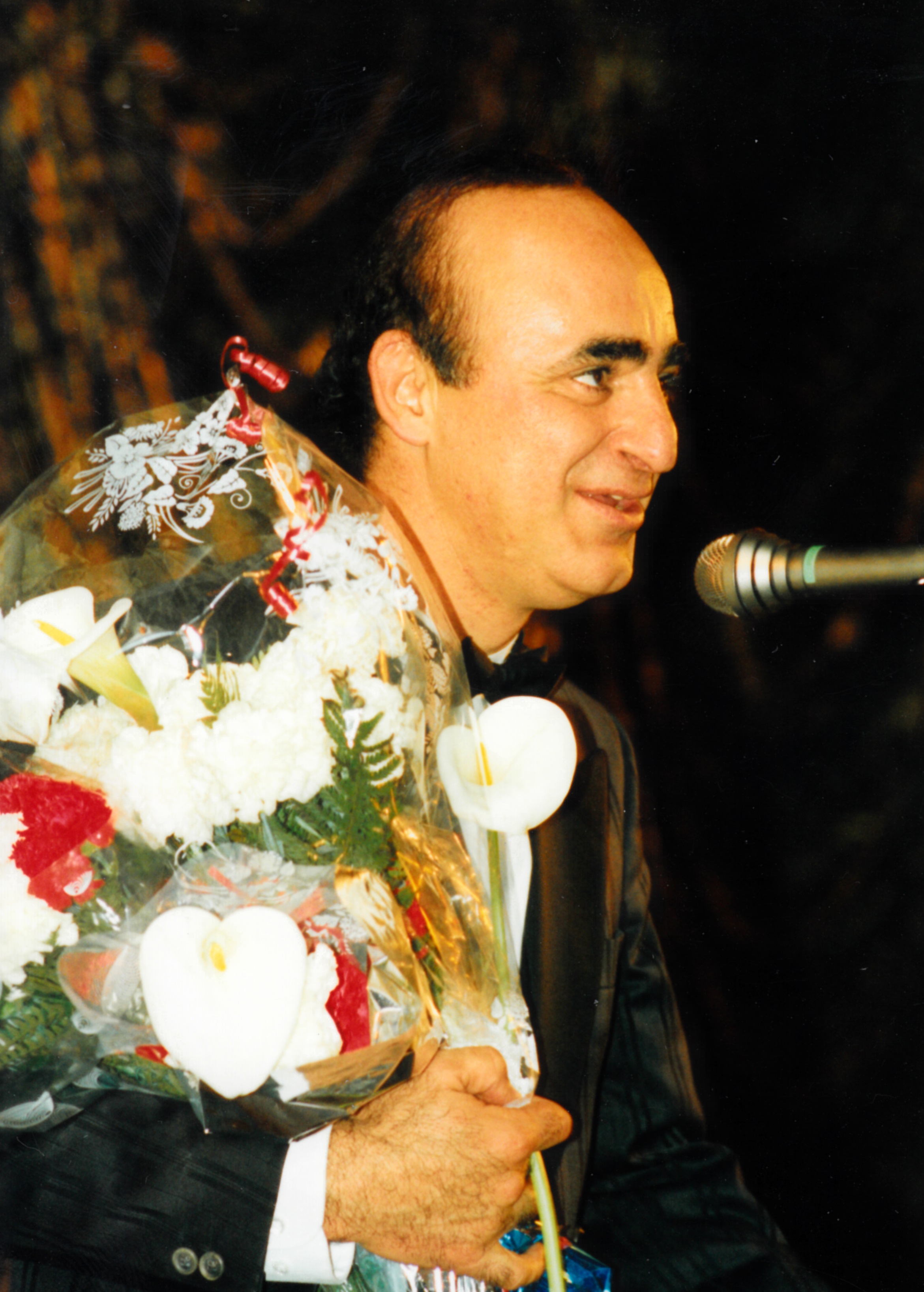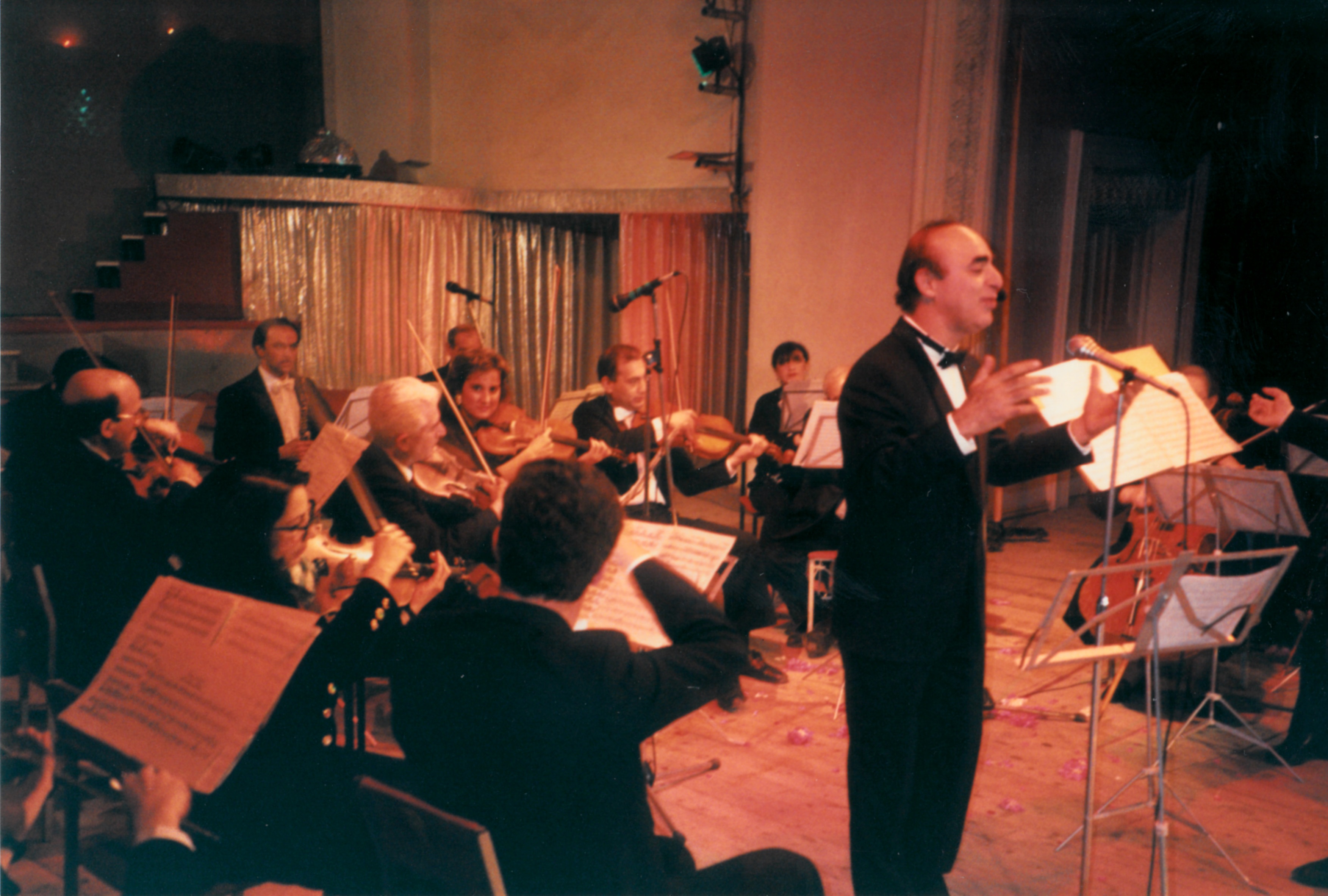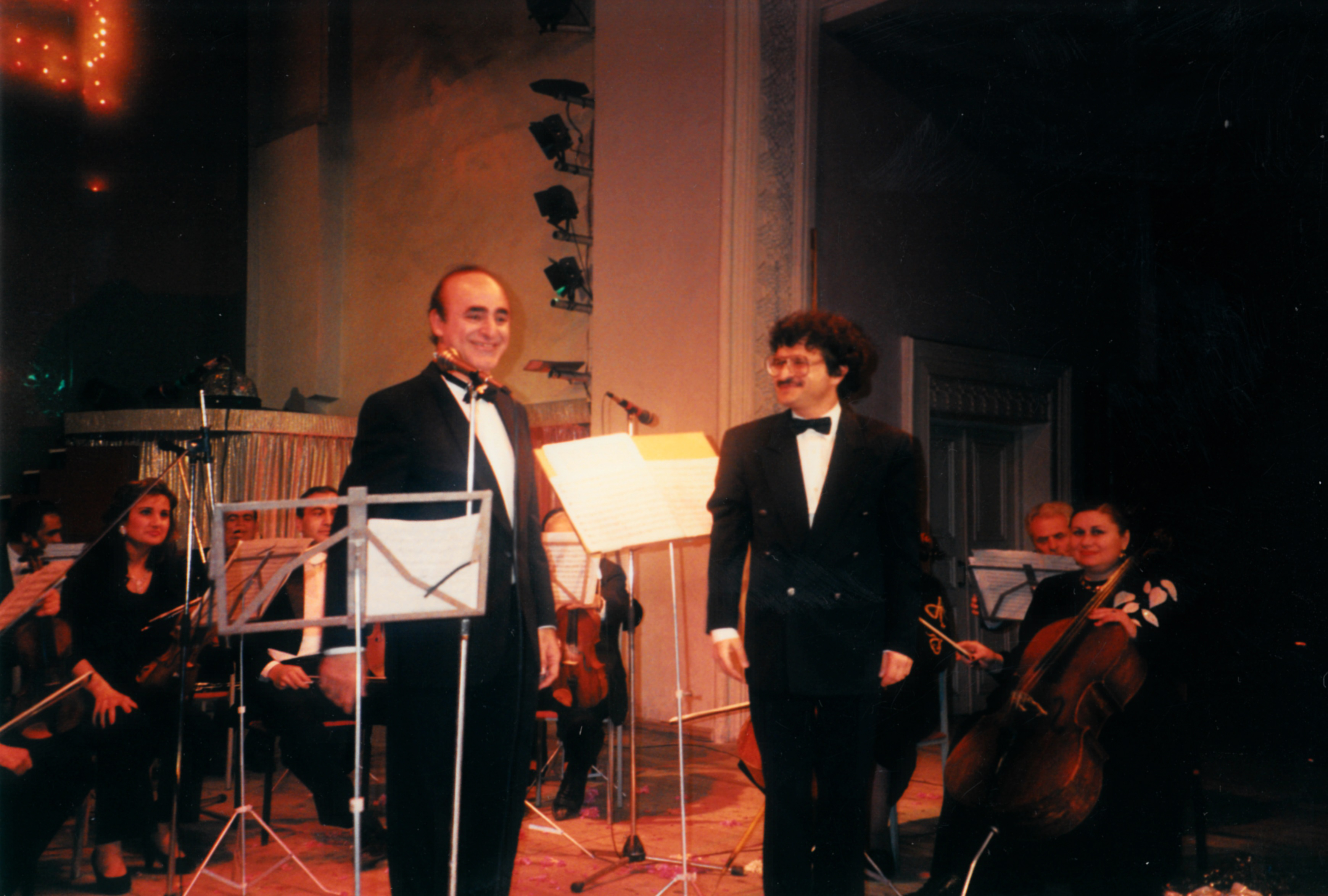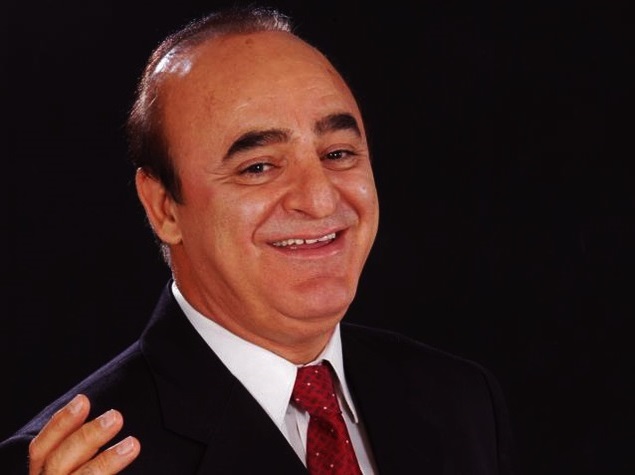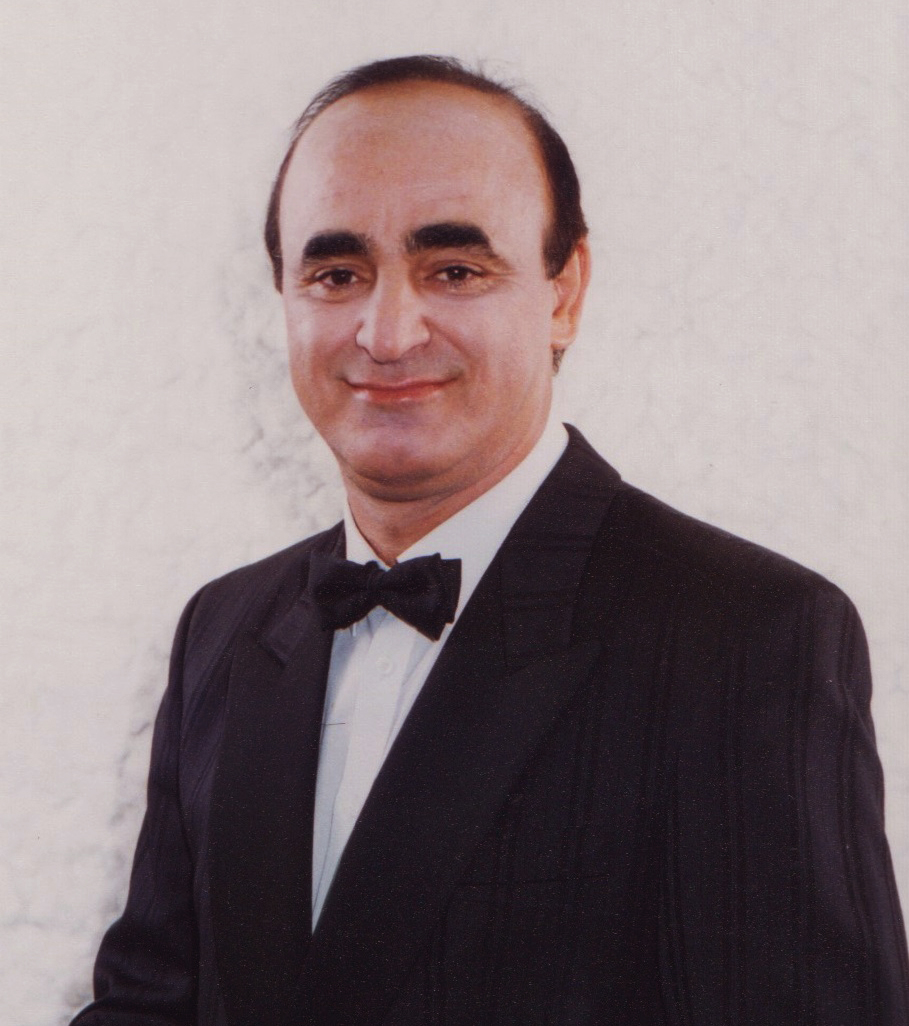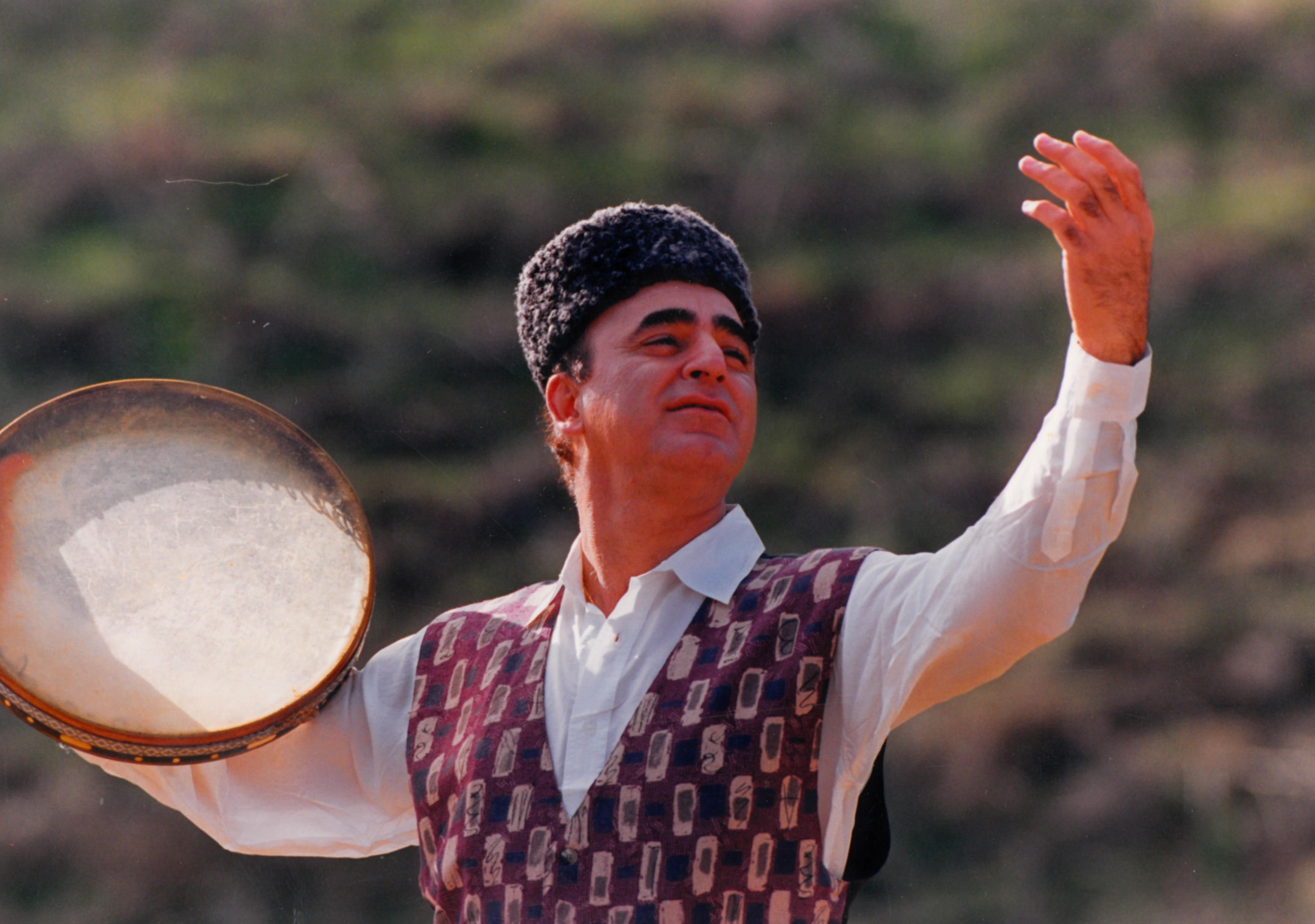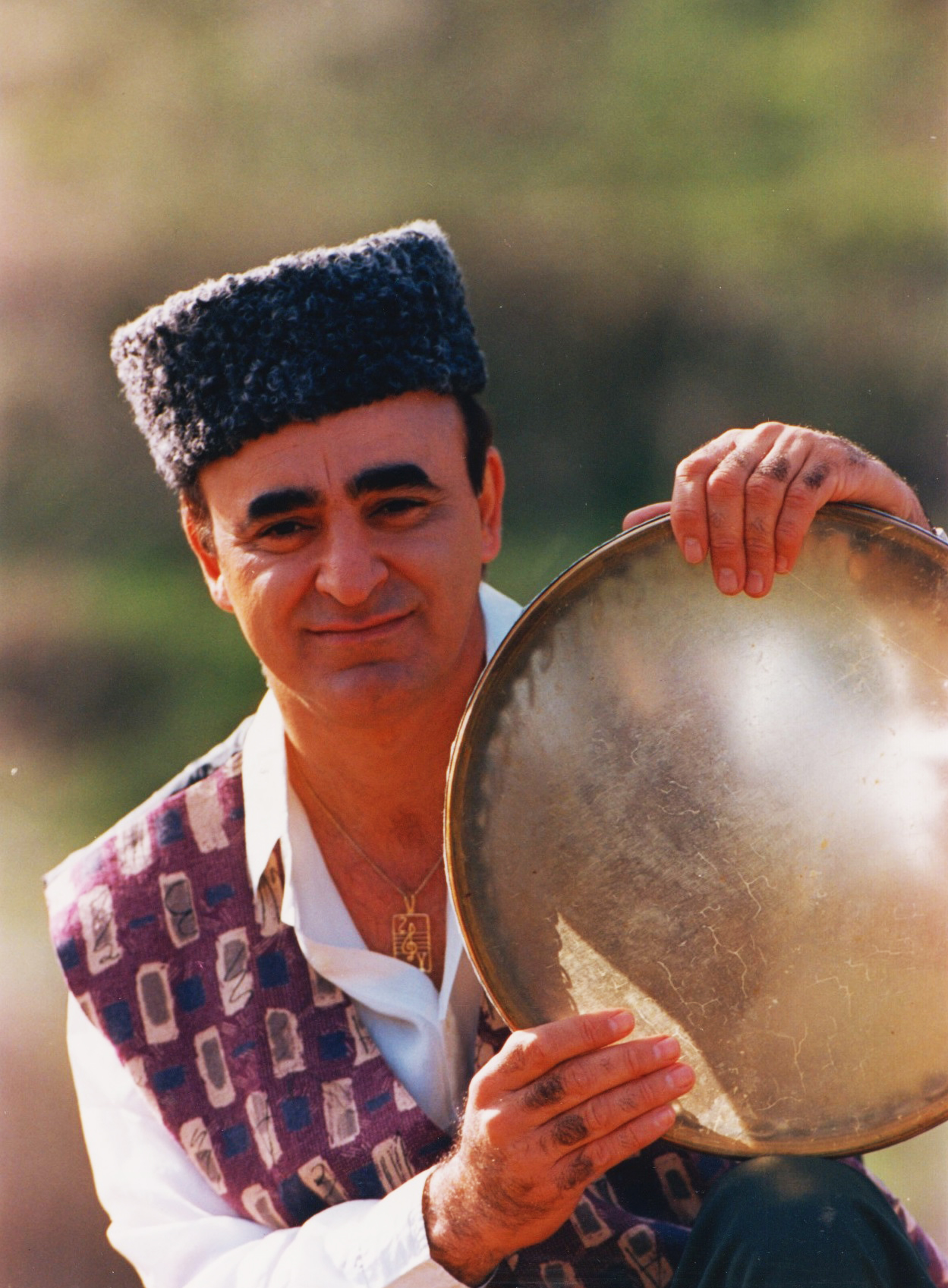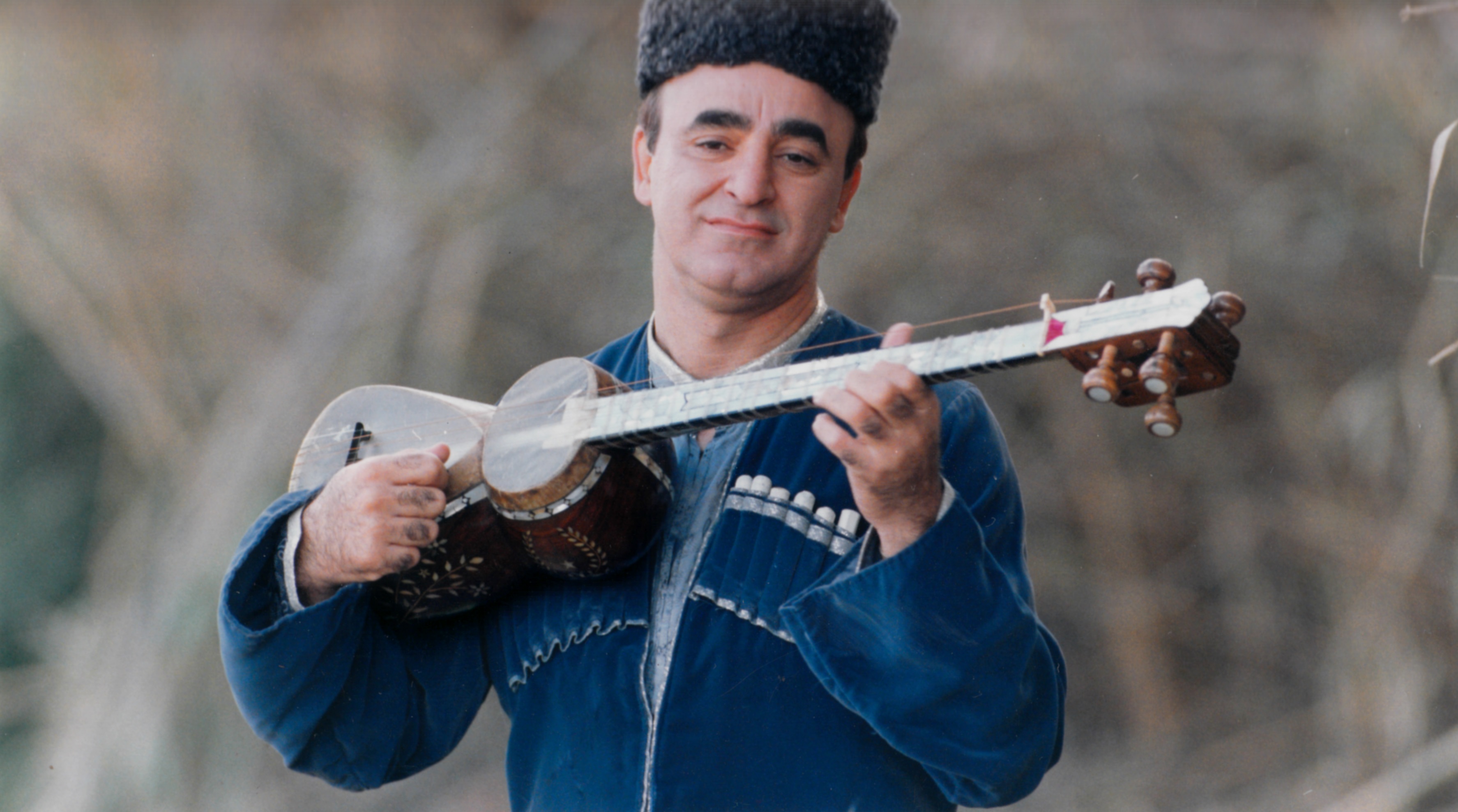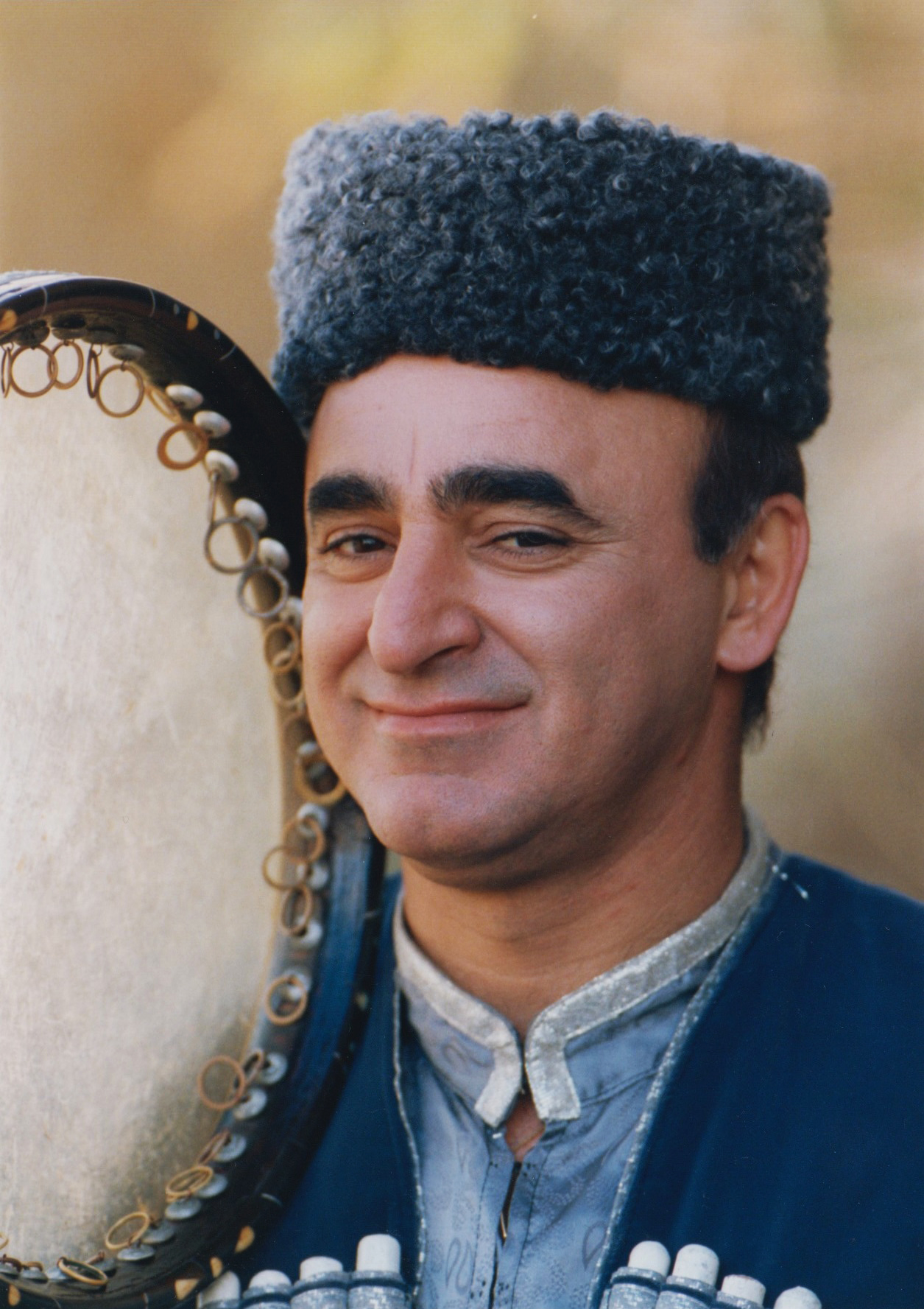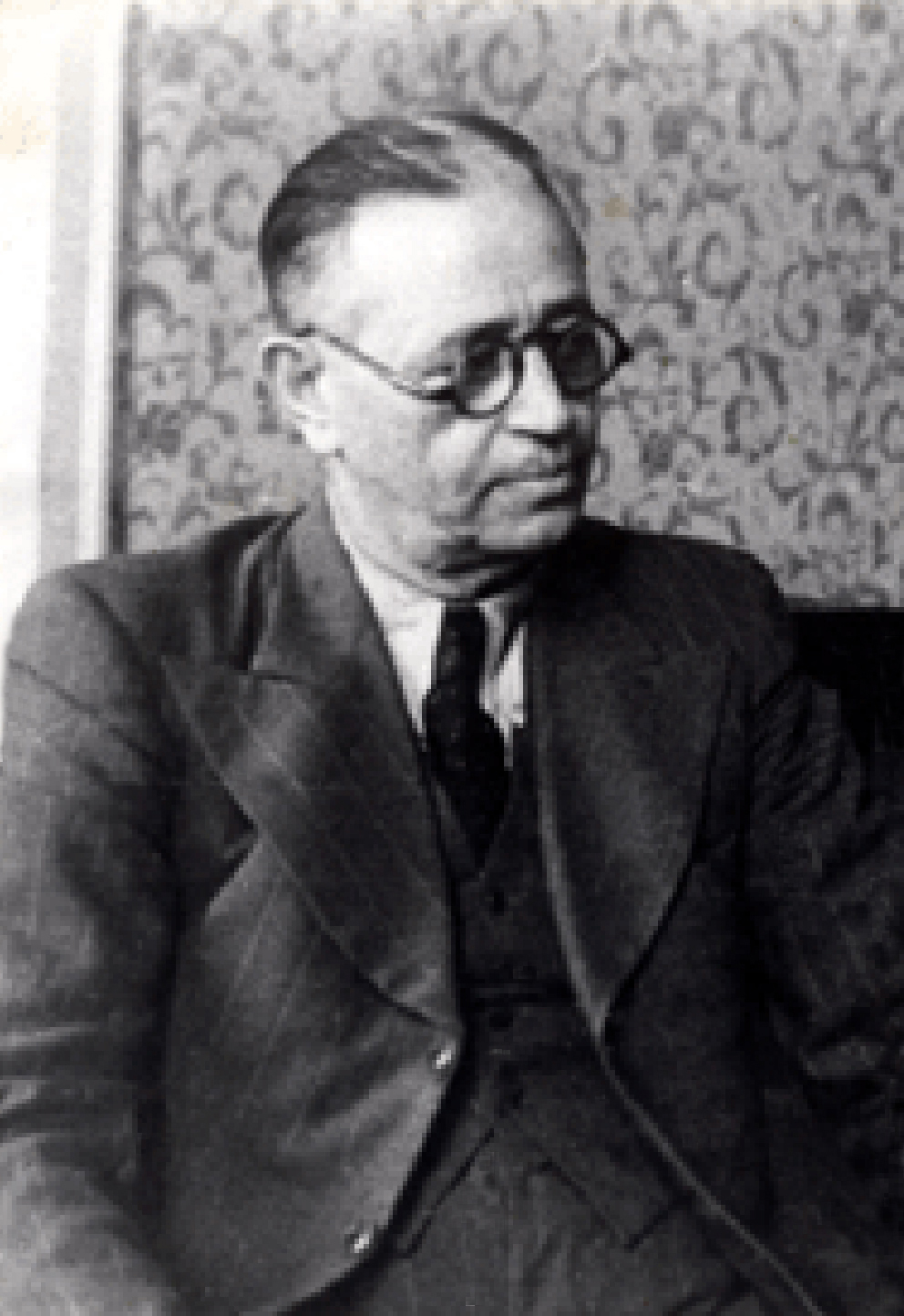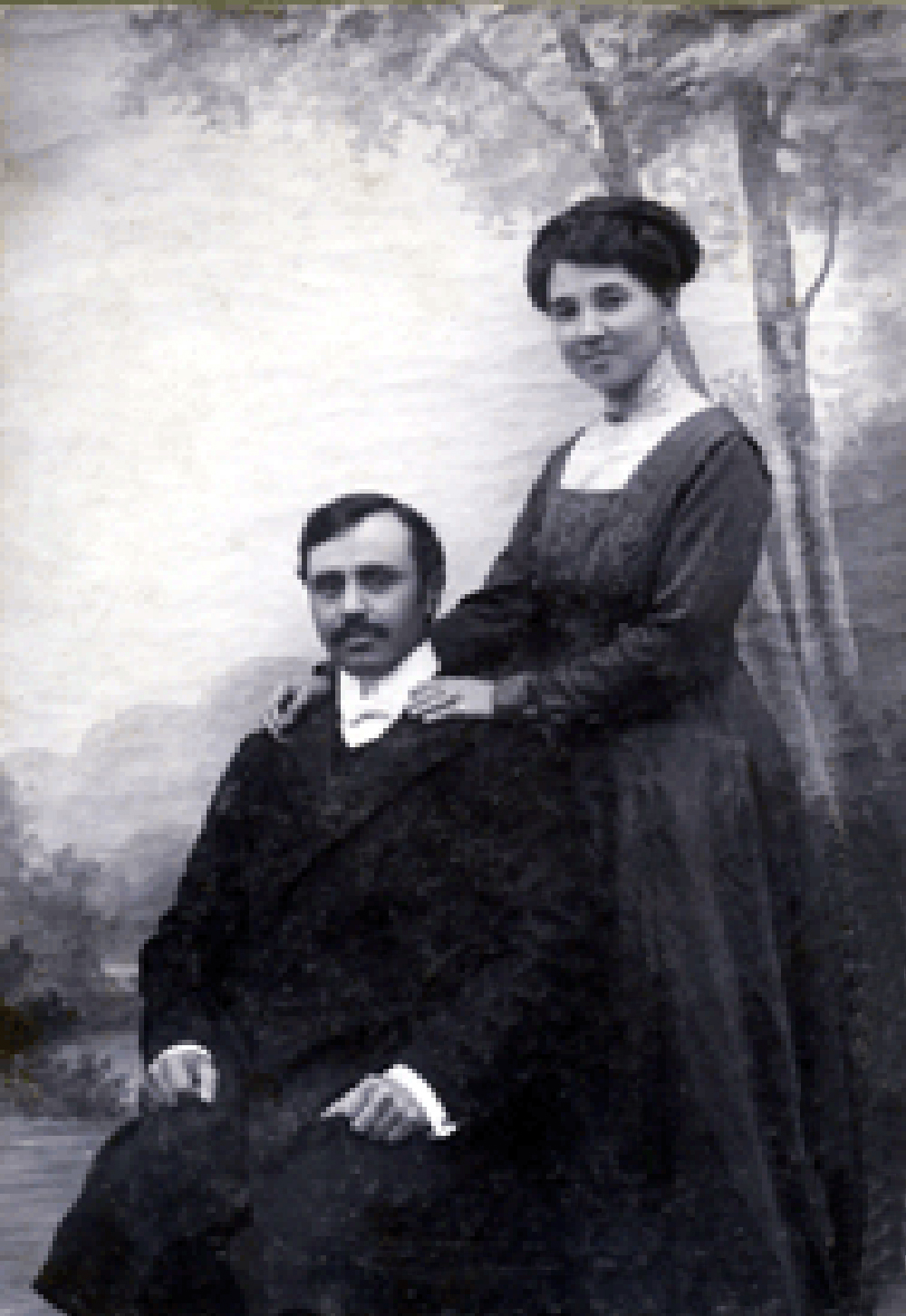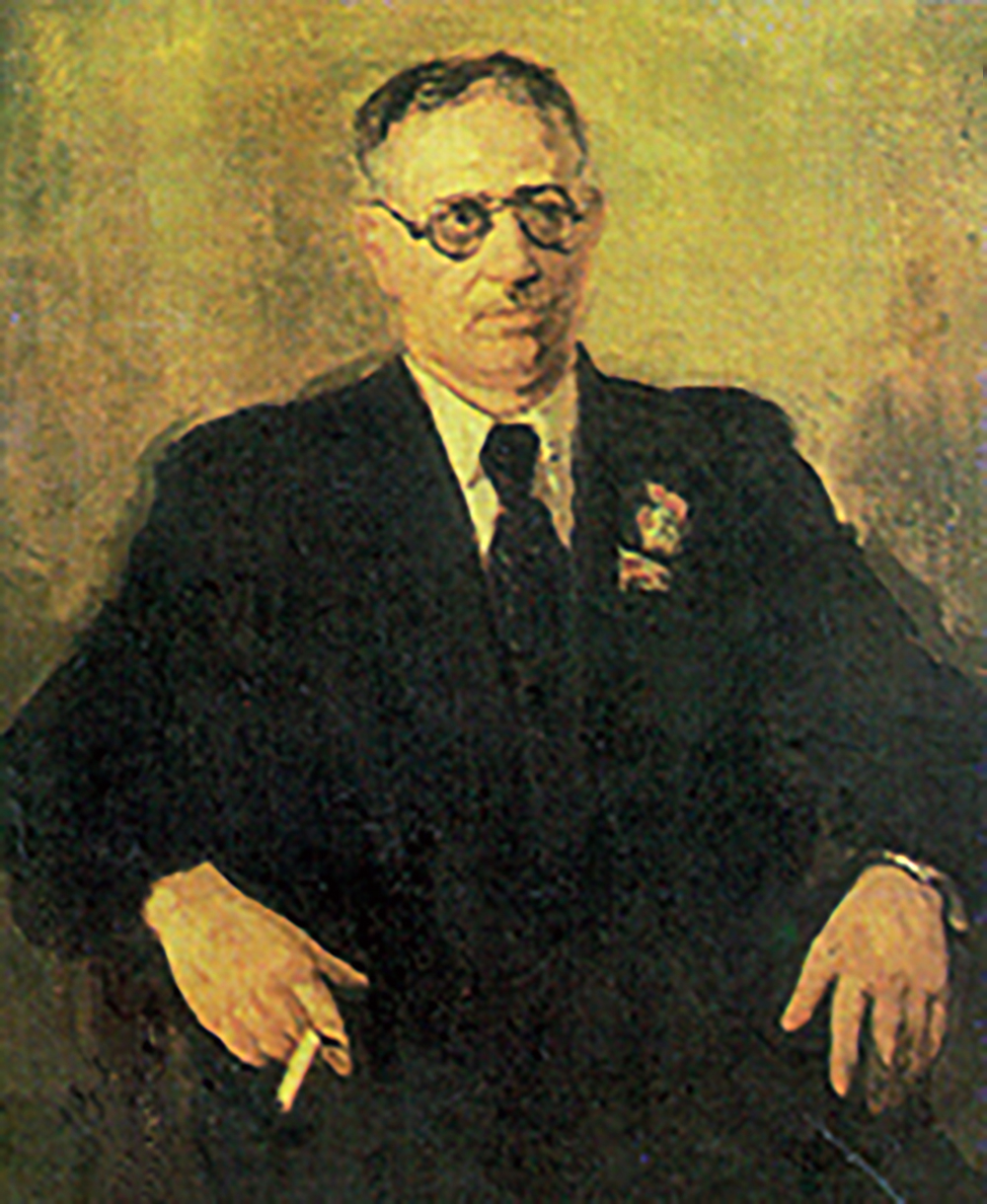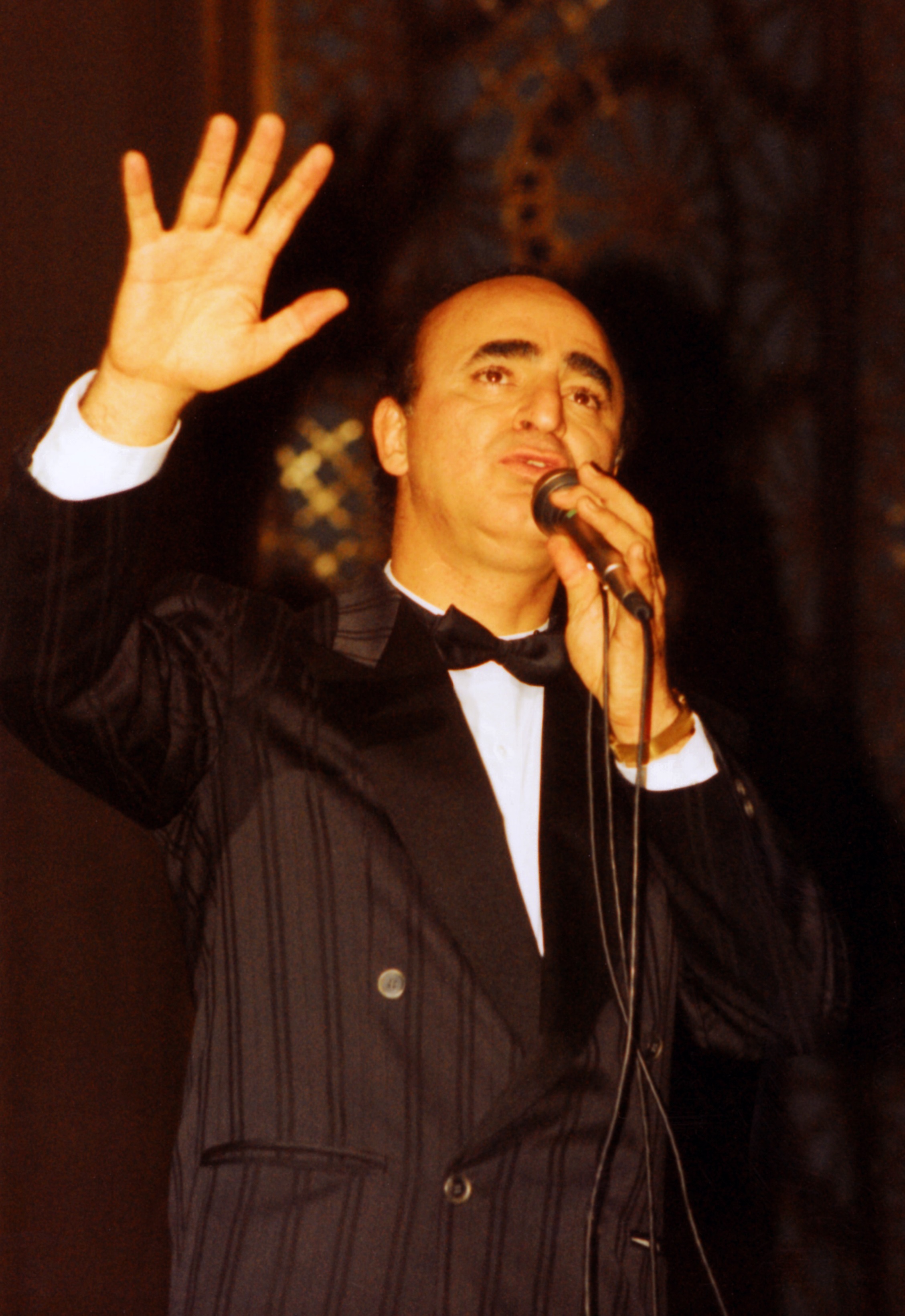
Yaghoub Zoroofchi, the greatest Azari vocalist of our time, started his singing career at age of eight in the Children's Program at Radio Tabriz in Iran and later on in Tabriz Television. After his vocal training at The Academy of Arts in Tabriz, he studied classical vocals and opera for seven years under the guidance of Mr. Rezazadeh, Jinini from Italy and William McKenny from England. He traveled to Germany and in 1986 performed at a concert with the master Rashid Behboodov in the city of Mannheim in Germany.
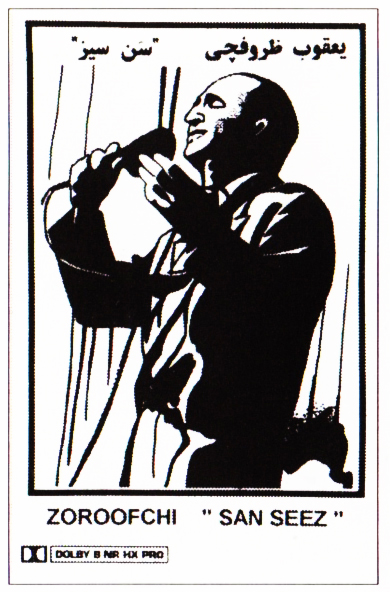
The turning point in his professional life was in 1989, performing in Baku for an audience of over one million people. In this collection he performs two 33 years old songs from another Master "Bol Bol" — Sogoli Janan and San Seez — which demonstrates Zoroofchi's exceptional ability and command in singing the tenor range.
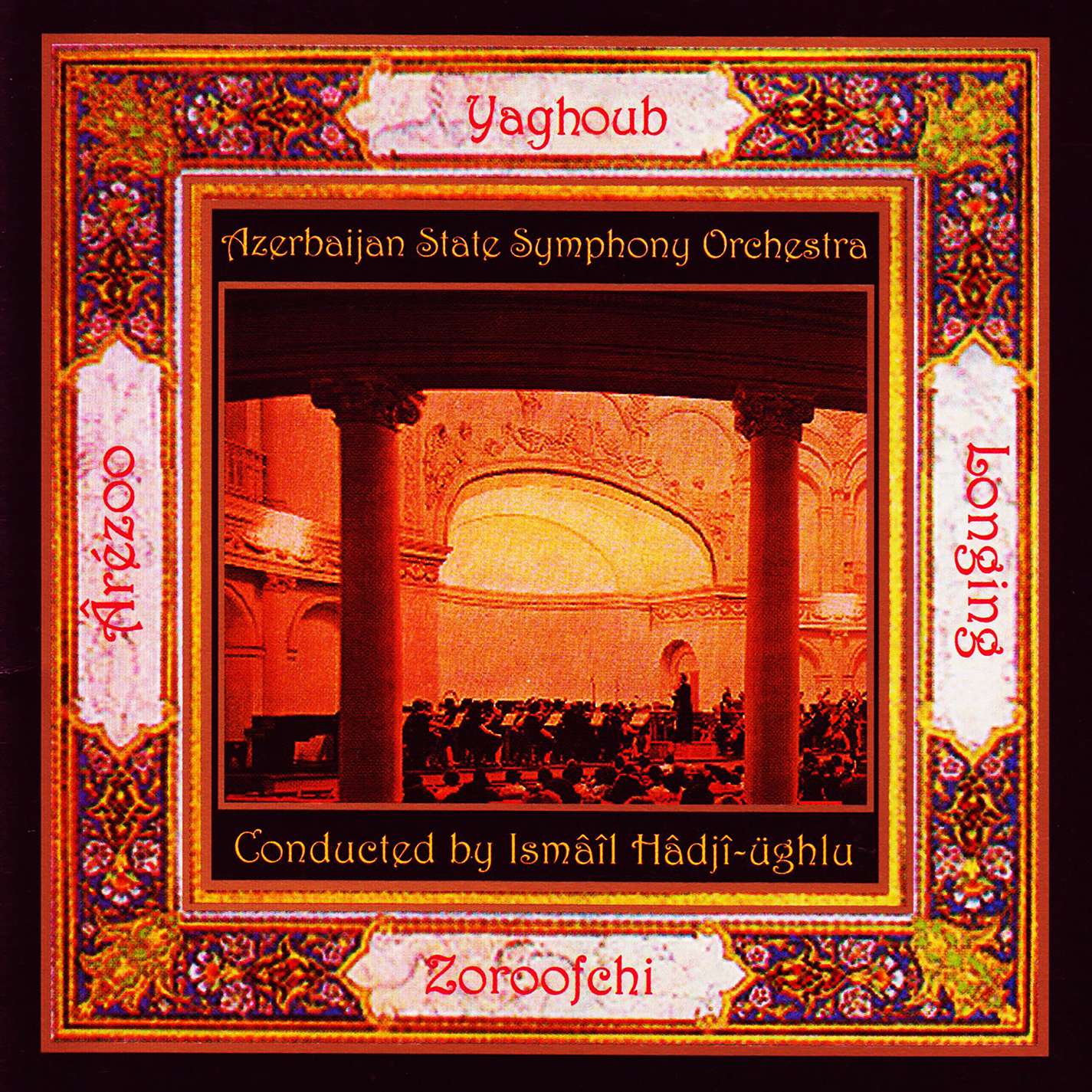
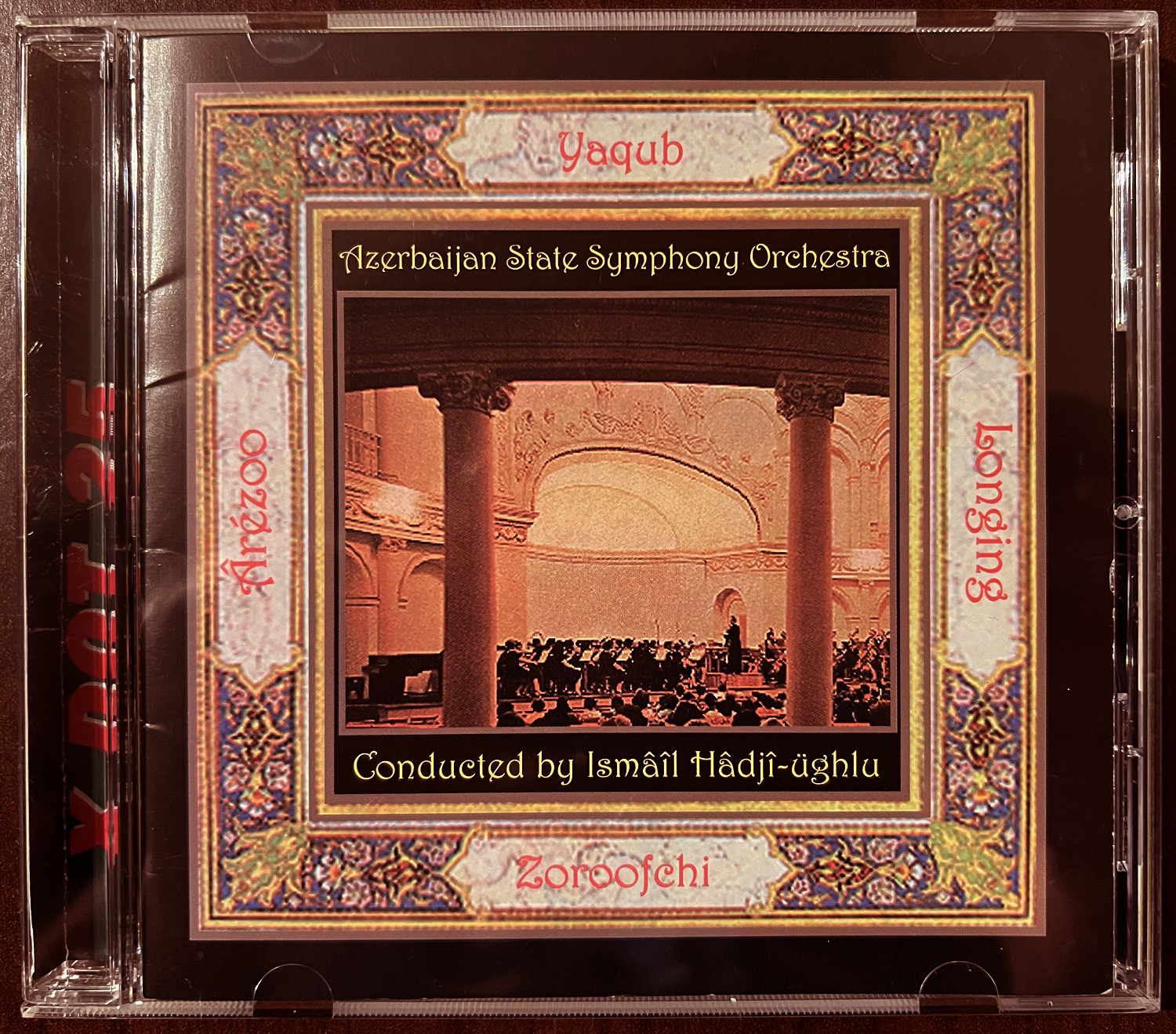
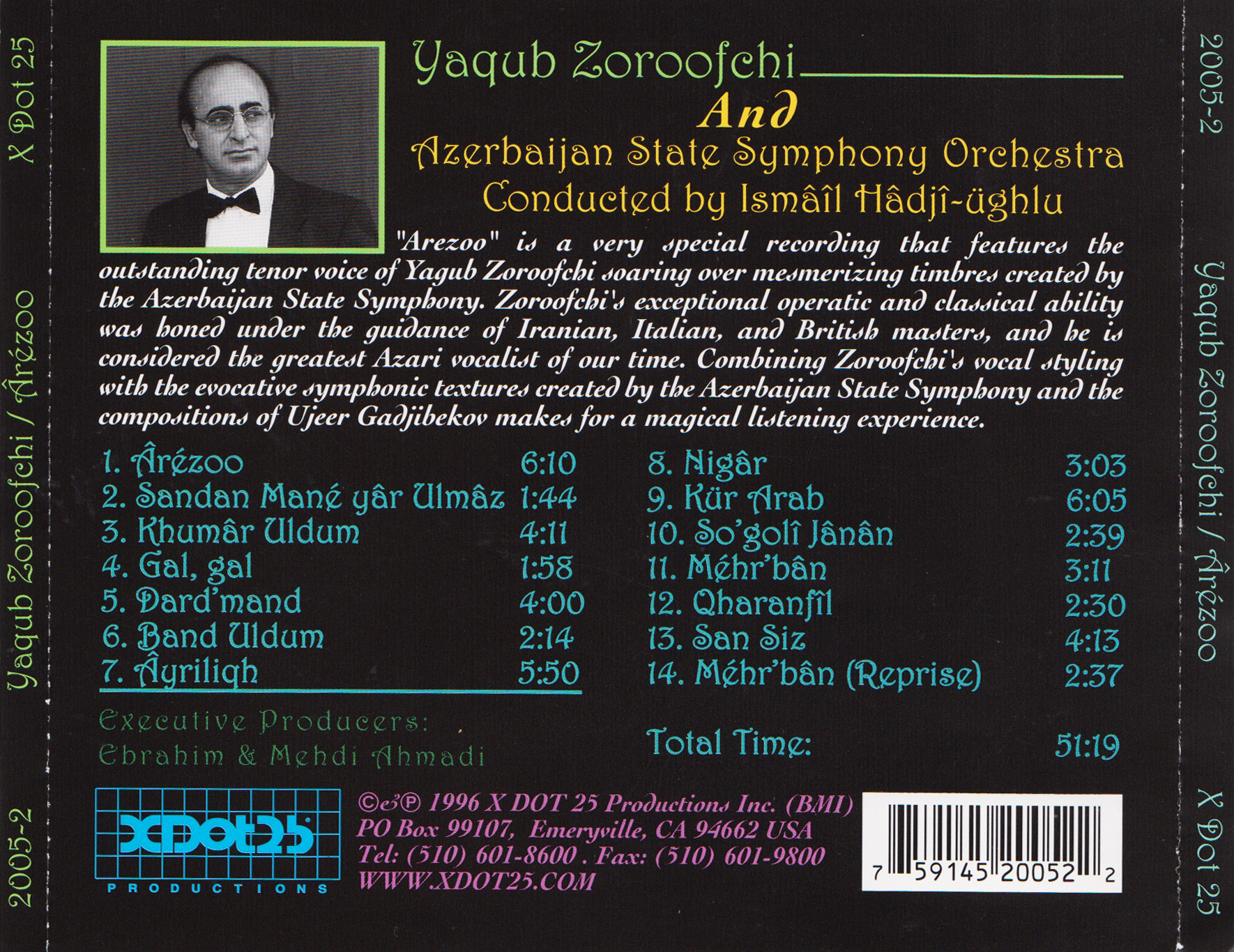
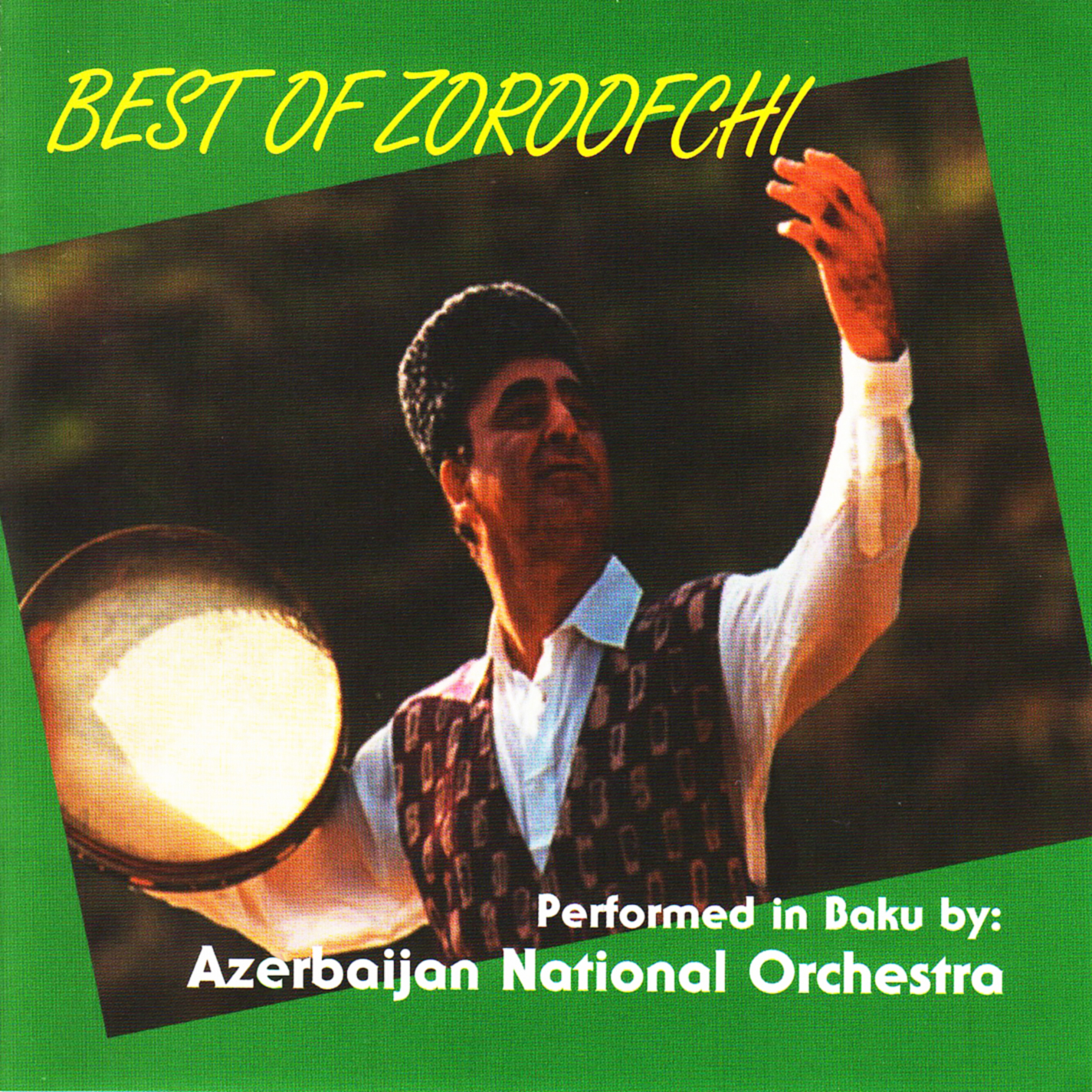
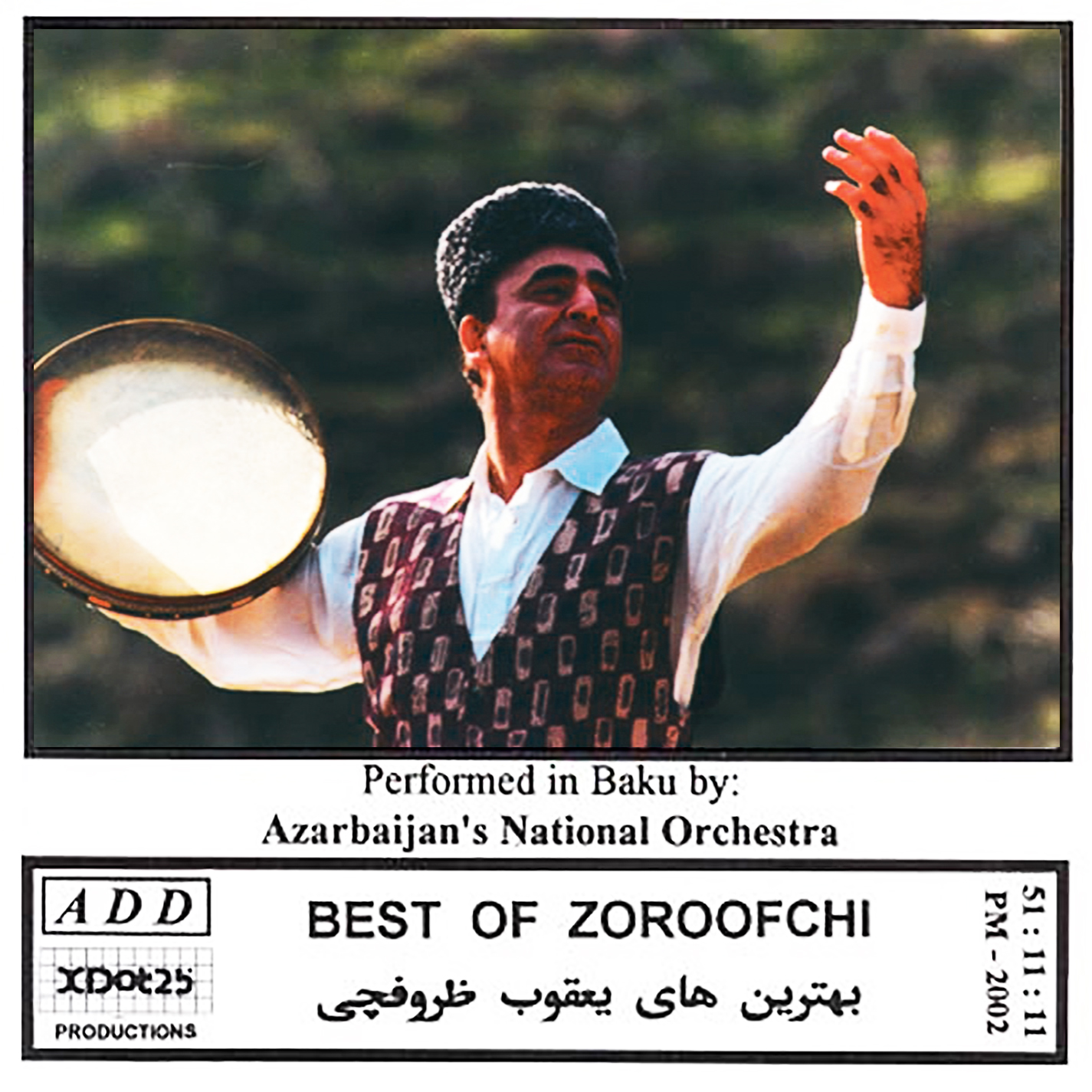
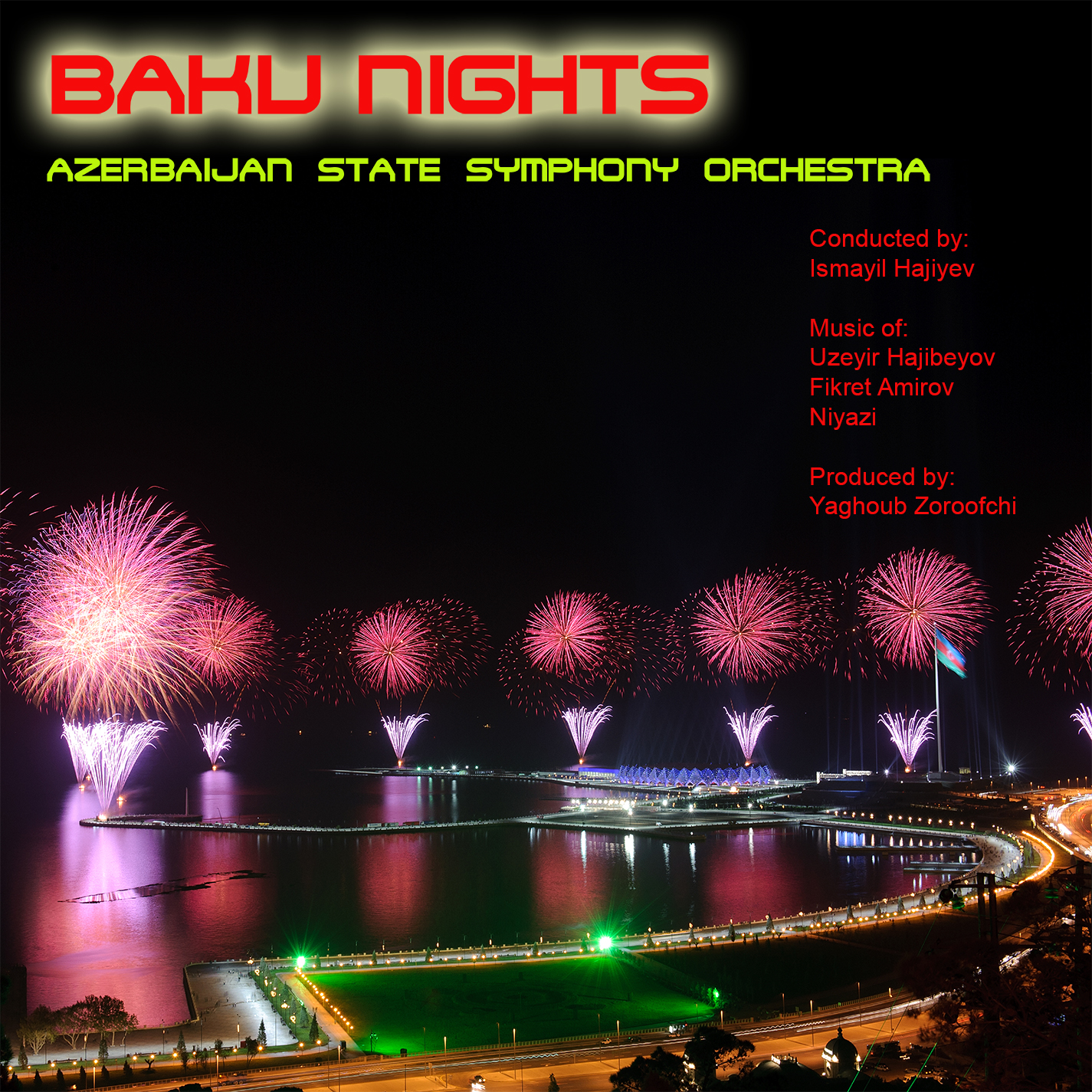
You will be fascinated by Zoroofchi's rich and warm operatic voice. His two Masterpiece albums are "Best of Zoroofchi" accompanied by "Azerbaijan's National Orchestra" and "Arezoo" accompanied by "Azerbaijan State Symphony Orchestra" — both on X DOT 25 Music Label.
In this six-minute interview — one of his last, recorded in Azerbaijani — Yaghoub Zoroofchi sings Vatan Ara, from the classic Best of Zoroofchi album and now on the Azərbaycan remaster. It was posted on March 26, 2021 — less than six months before his passing on September 14, 2021.
▶ Watch on FacebookIn memoriam — fifth anniversary
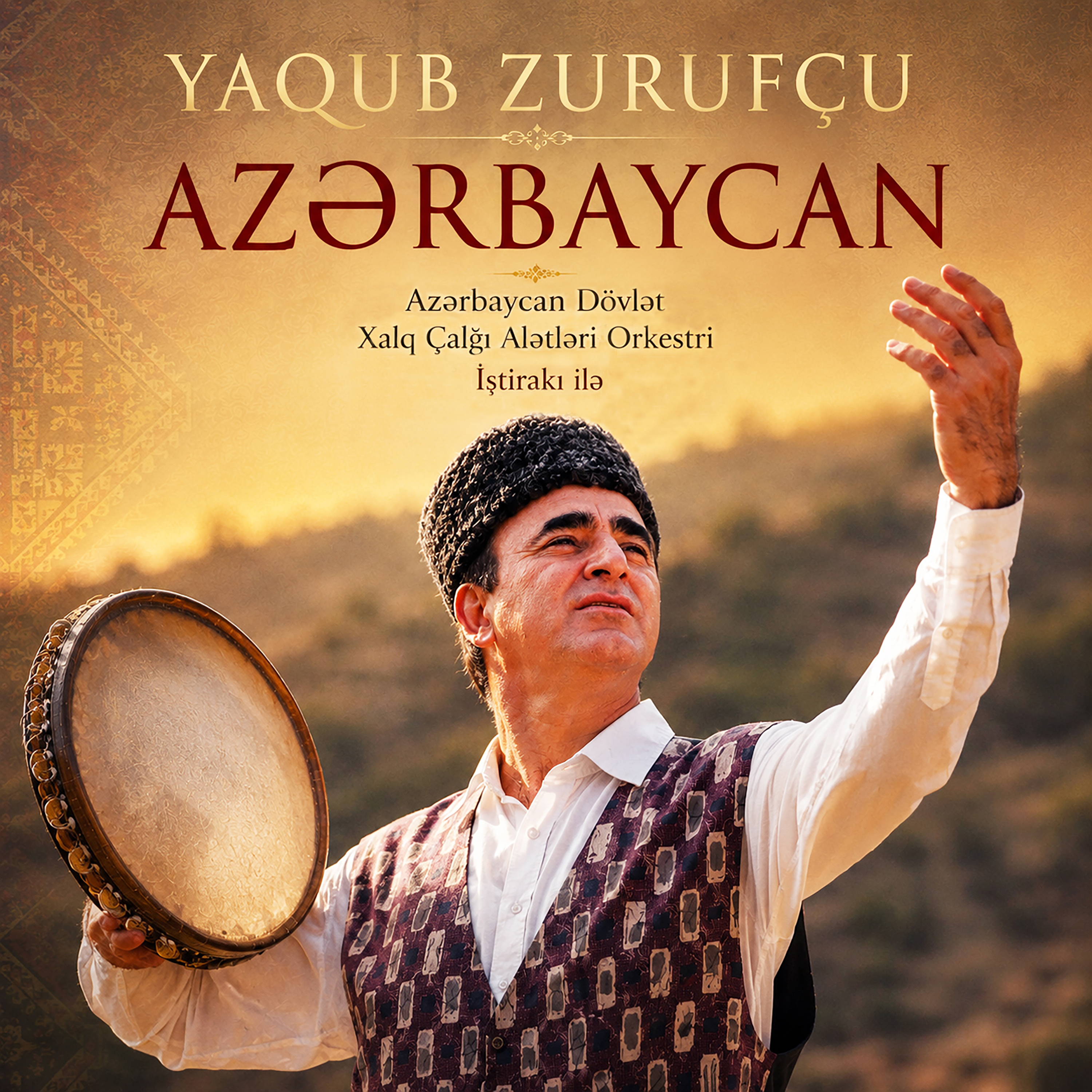
Executive Producers: X DOT 25 Music
Recorded at: 42nd Studio, North Hollywood
Recorded and Mixed by: Yousef Shahab
Conceived and executed by: X DOT 25 Music
Mastered by: X DOT 25 Music & Daniel Wyman
All literature on tracks and texts by: Koorosh Angali
Package Design & Computer support by: Koorosh Angali
Ayrılıq means "Separation" — an Azerbaijani folk song circa 1957 about separation and love. It is one of the most well known Azerbaijani songs. Music: Ali Salimi · Words: Rajab (Farhad) Ebrahimi. The separation of Northern Azerbaijan from Southern (Iranian) Azerbaijan created separation of the Azeri people.
An aria from the opera "Ârshîn Mâl Âlân" by Uzeyir Hajibeyov. The lover recalls the moment he and his beloved met and suggests they enjoy the kind of love that King Solomon did.
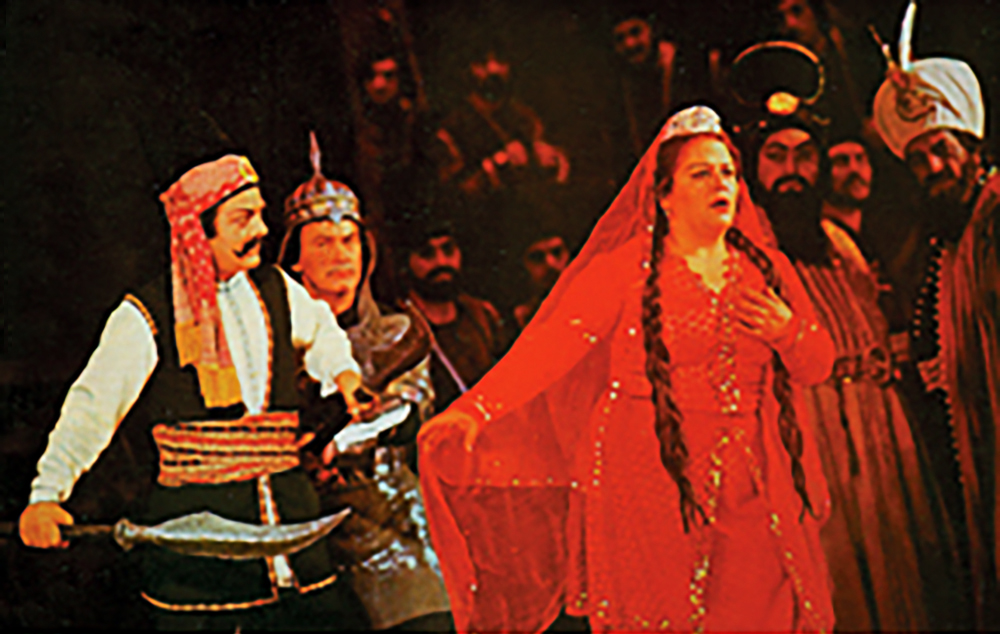
An aria from the renowned opera "Kür-üghli" by Uzeyir Hajibeyov. The unfortunate lover complains that the tyrannous Khan has kept his beloved captive and decides to face the Khan to free his lover, even at the cost of his life.
Music: Fikrat Amirov · Words: Husain Jâvîd. A political figure in the history of Azerbaijan, this song is dedicated to a legendary hero. A profound meditation on existence beyond categories of love, creation, pain, or joy.
Music: Uzeyir Hajibeyov · Words: Nezâmî Gandjavî (6th C.H. Persian poet and philosopher). "Thou art the grandest of all creation. Tender me and grant me thine kiss." A traditional love song representing both the poetry and music of the era.
Music: Uzeyir Hajibeyov · Words: Nezâmî Gandjavî. The lover complains about being parted from his beloved, stating that without her he would cease to exist.
Uzeyir bey Abdul Huseyn oglu Hajibeyov (September 18, 1885 – November 23, 1948) was an Azerbaijani and Soviet composer, conductor, publicist, playwright, teacher, translator, and social figure. He is recognized as the father of Azerbaijani composed classical music and opera, and was the first composer of an opera in the Islamic world.
Hajibeyov composed the music of the national anthem of the Azerbaijan Democratic Republic (re-adopted after Azerbaijan regained independence from the Soviet Union in 1991). He was awarded the title of People’s Artist of the USSR in 1938 — during the entire Soviet history, only three or four Azerbaijani musicians ever attained this level. He was also honored with the Order of Lenin and the Stalin Prize (won twice: 1941 for the opera Koroghlu, and 1946 for the 1945 film based on his opera Arshin Mal Alan).
Amongst his accomplishments are several operas based on folk fables including Ârshîn Mâl âlân and Kür-üghli, plus compositions based on the mystical verses of Nézâmî Gandjavî, the 12th century Persian poet and Sufi philosopher. Hajibeyov died at the age of 63 and was buried at the Alley of Honor in Baku.
Executive Producers: X DOT 25 Music
Performed in Baku by: Azerbaijan National Orchestra
Conducted by: Nariman Gandge-ei
Recorded at: 42nd Studio, North Hollywood
Setar: Kamel Alipour
Clarinet & Balaban: Albert
Recording & Mixing Engineer: Yousef Shahab at 42nd Studio North Hollywood
Cover Design: Koorosh Angali
Computer Graphics Support: Jayce Farahmand
Conceived and Executed by: X DOT 25 Music
Executive Producers: X DOT 25 Music
Lead instruments recorded at: 42nd Studio, North Hollywood, under supervision of Mr. Zoroofchi
Recorded and Mixed by: Yousef Shahab
Re-Mixed by: Yaghoub Zoroofchi
Mastered by: X DOT 25 Music & Daniel Wyman
All literature on tracks and texts by: Koorosh Angali
Package Design & Computer support by: Koorosh Angali
Cover Art Design by: Max Ahmadi
Complete song lyrics in Azerbaijani · tap a song to read the full text
Ala gözlüm, şirin sözlüm
Ağ yanaqlı gözəl yar
Ala gözlüm, şirin sözlüm
Ağ yanaqlı gözəl yar
Səndən mənə yar olmaz
Əhdə vəfadar olmaz
Min il bahar olarsa
Bülbülsüz güllər açmaz
Mən gəlmişəm sizə qonaq
Ceyran, mənə bax, bax
Bişir mənə sən qayğanaq
Maral, mənə bax, bax
Axtarıb tapdım səni
Axtarıb tapdım səni
Səndəmi sevdin, yar, məni?
Gör nə haldır, gözüm görmür
Nalədəndir ney kimi avazeyi eşqim bülənd
Nalə tərkin qılmazam neytək kəsilsəm bənd-bənd
Qıl mədəd, ey bəxt, yoxsa kami-dil mümkün deyil
Öyrənib pürfənd oldum
Özgəyə rişxənd oldum
Öyrənib pürfənd oldum
Özgəyə rişxənd oldum
Fikrindən gecələr yata bilmirəm
Bu fikri başımdan ata bilmirəm
Fikrindən gecələr yata bilmirəm
Bu fikri başımdan ata bilmirəm
Sevdim səni mən, ey Nigarım
Rəna gözəlim, şən baharım
Sevdim səni, canan!
Lakin zülmükar xan
Nə eşq olaydı, nə aşiq
Nə nazlı afət olaydı
Nə xəlq olaydı, nə xaliq
Nə eşqi-həsrət olaydı
Hüsnün gözəl ayətləri, ey sevgili canan!
Olmuş bütün aləmdə sənin şəninə şayan
Gəl eylə nəvaziş
Gəl eylə nəvaziş, mənə ver busə ləbindən
Dost bağında açılmış güllər
Sarılıb gülə sarı bülbüllər
Qızlar düzüb telinə güllər
Səni kimdir sevən bica, qərənfil?
Sənə mən aşiqi-şeyda, qərənfil, qərənfil
Səni gülşən ara aşüftə gördüm
Yəqin bildim tutub sevda, qərənfil!
Hər gecəm oldu kədər, qüssə, fəlakət sənsiz
Hər nəfəs çəkdim, hədər getdi o saət sənsiz
Complete song lyrics in Azerbaijani · tap a song to read the full text
Sərin sulu bulaqlardan, bulaqlardan
Yaşıl yarpaq budaqlardan, budaqlardan
Ana Yurdum (Varlığım Əzəldən)
Ana yurdum, sənə bağlıyam mən hər an
Məhəbbətin sönməz, heç çıxmaz başımdan
Sənə bağlı olub varlığım əzəldən
Heydərbaba, göylər bütün dumandı
Günlərimiz bir-birindən yamandı
Heydərbaba, göylər bütün dumandı
Günlərimiz bir-birindən yamandı
Vətən ara, divar olmaz!
O tay olmaz, bu tay olmaz!
Dədə-baba qaydasıdır,
İstək olsa, “olmaz” olmaz!
Get, gülüm, get, deməsən, mən kimə yar olmaz?
Olsa da yaradanın, heç nə vəfadar olmaz.
Hər yanda bax, gül açılıb
Gəl, gözəl pəri
Olmuş adın el içində
Dillər əzbəri...
Hüsnün gözəl ayətləri, ey sevgili canan!
Olmuş bütün aləmdə sənin şəninə şayan
Gəl eylə nəvaziş
Gəl eylə nəvaziş, mənə ver busə ləbindən
Hər gecəm oldu kədər, qüssə, fəlakət sənsiz
Hər nəfəs çəkdim, hədər getdi o saət sənsiz
Vay, Vay, Vay
از شوق بهار
از شوق بهار، بلبل پریش
بر زد چهچهی سوی یار خویش
گفتا عشوه مکن، یکدم غمزه مکن
Bağlarda əsəndə payız yelləri, balam
Ağaclar saçını yolmasa, olmaz, balam
Cananı ürəkdən, candan sevənin, balam
Gözləri qan – yaşla dolmasa olmaz!
Çal, aşıq, sazını, ürəyim dolub,
Çal, aşıq, sazını, ürəyim dolub.
Bəzən insan üçün məlhəm qoyolar,
Sazın nəğmələri,
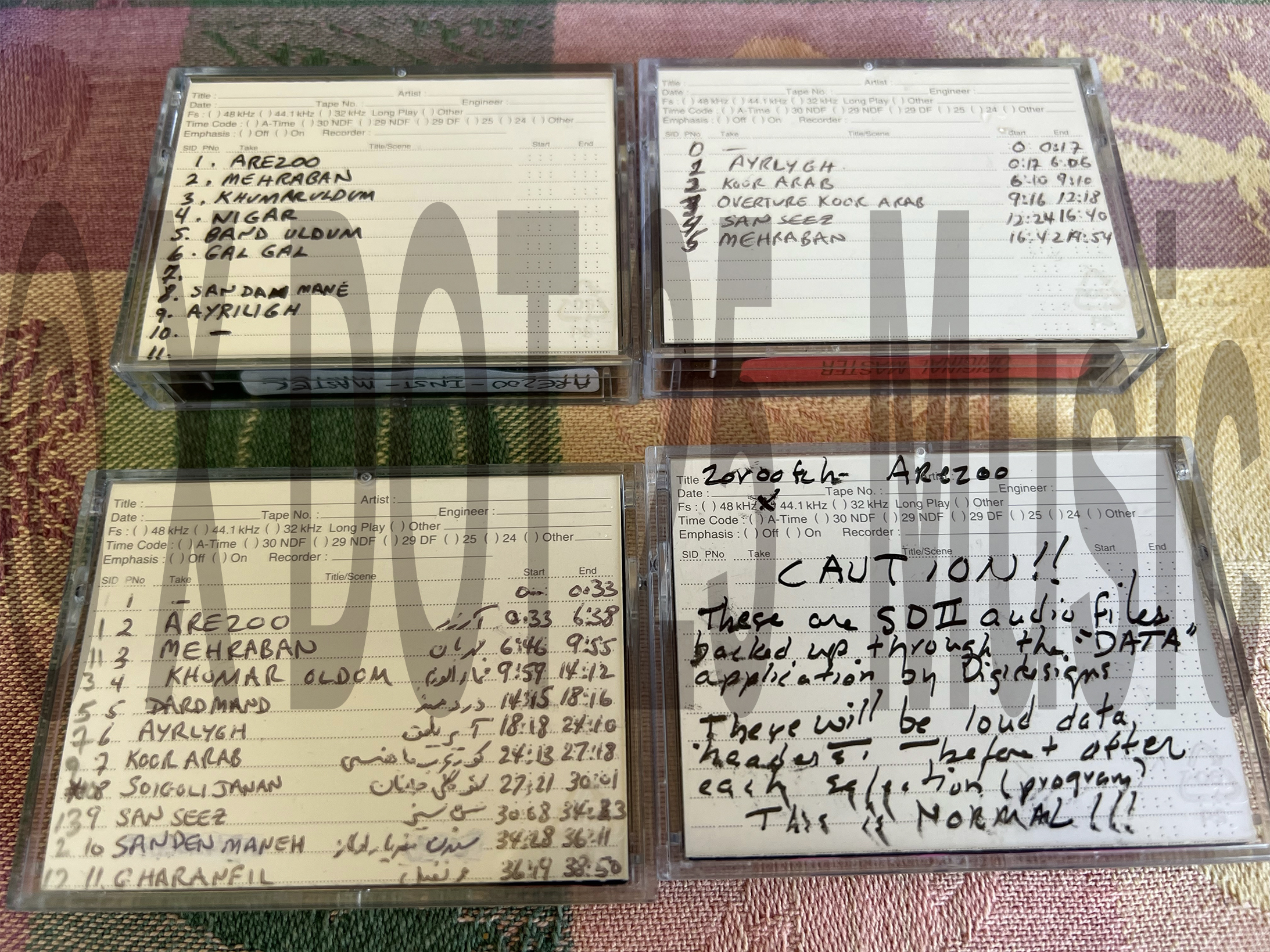
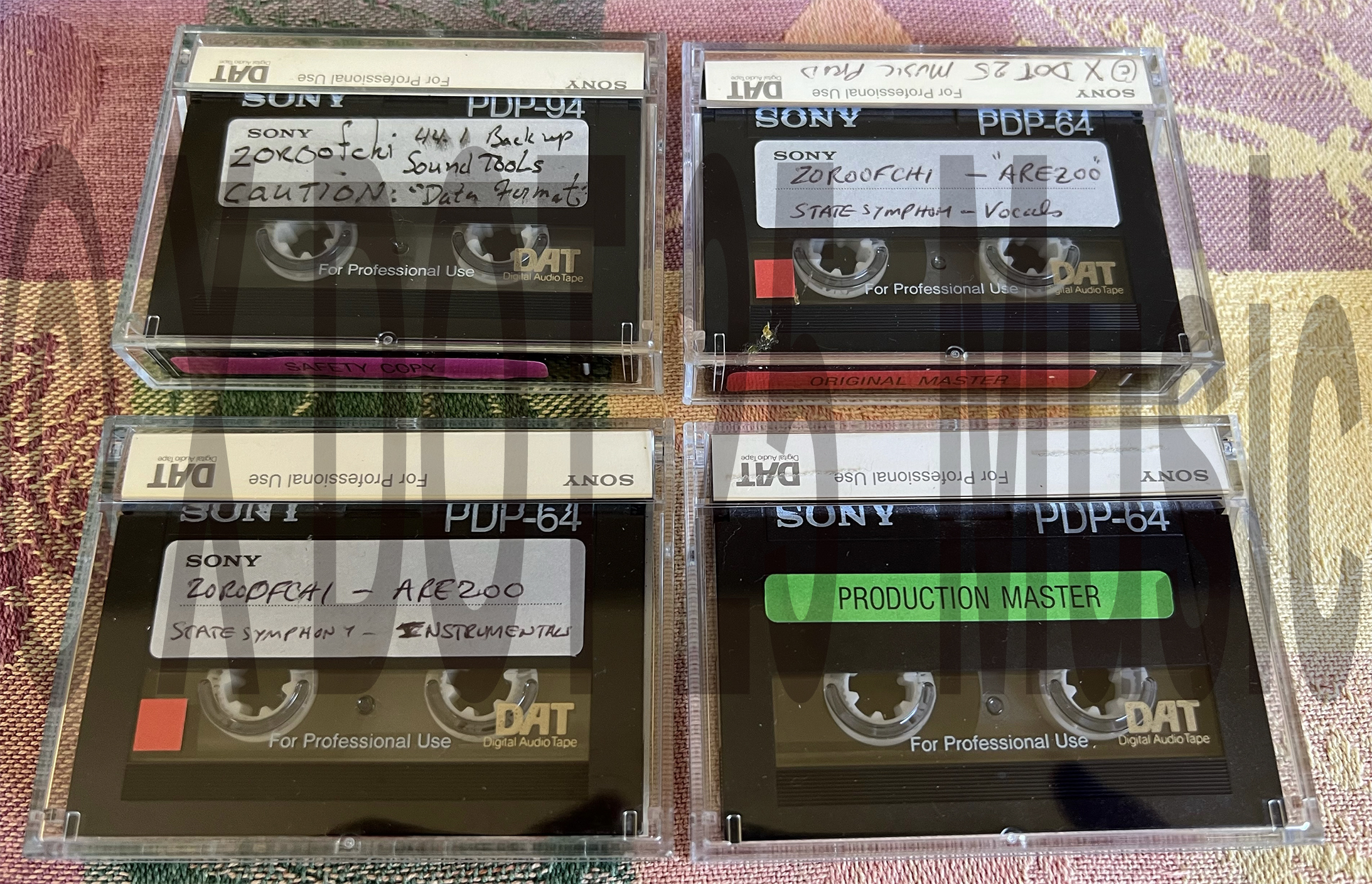
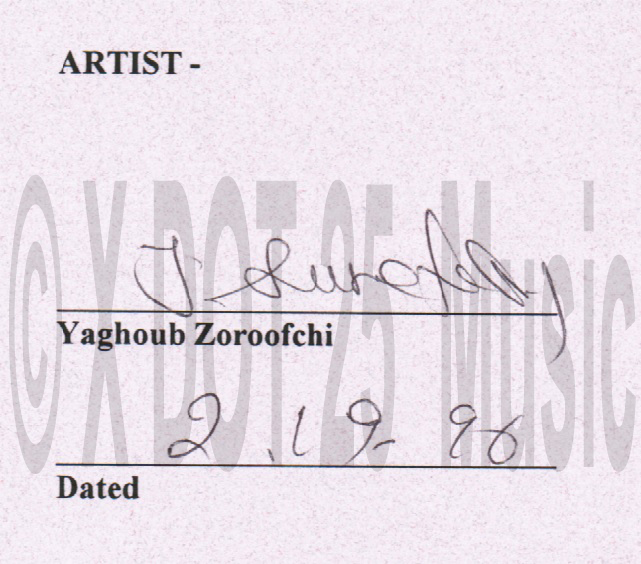
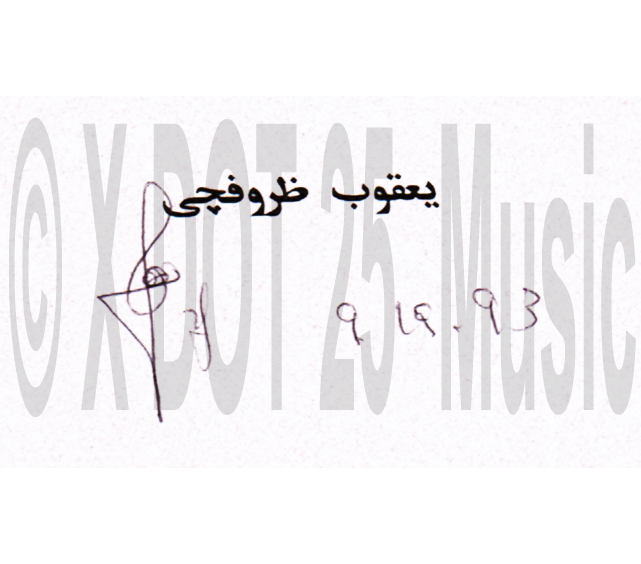
In Mid Nineties X DOT 25 Music entered into Recording Agreements with Mr. Zoroofchi and produced the 2 albums on this page. His Artist page here was established, per contract use of his name, in Mid Nineties. X DOT 25 Music produced both albums in 42nd Studio in North Hollywood, where Mr. Zoroofchi sang all the songs of these vocal albums and brought in another X DOT 25 Music Artist Mr. Kamel Alipour to play Persian Setar on Chal Ashigh. Mr. Zoroofchi was fully paid for his "work for hire" services.
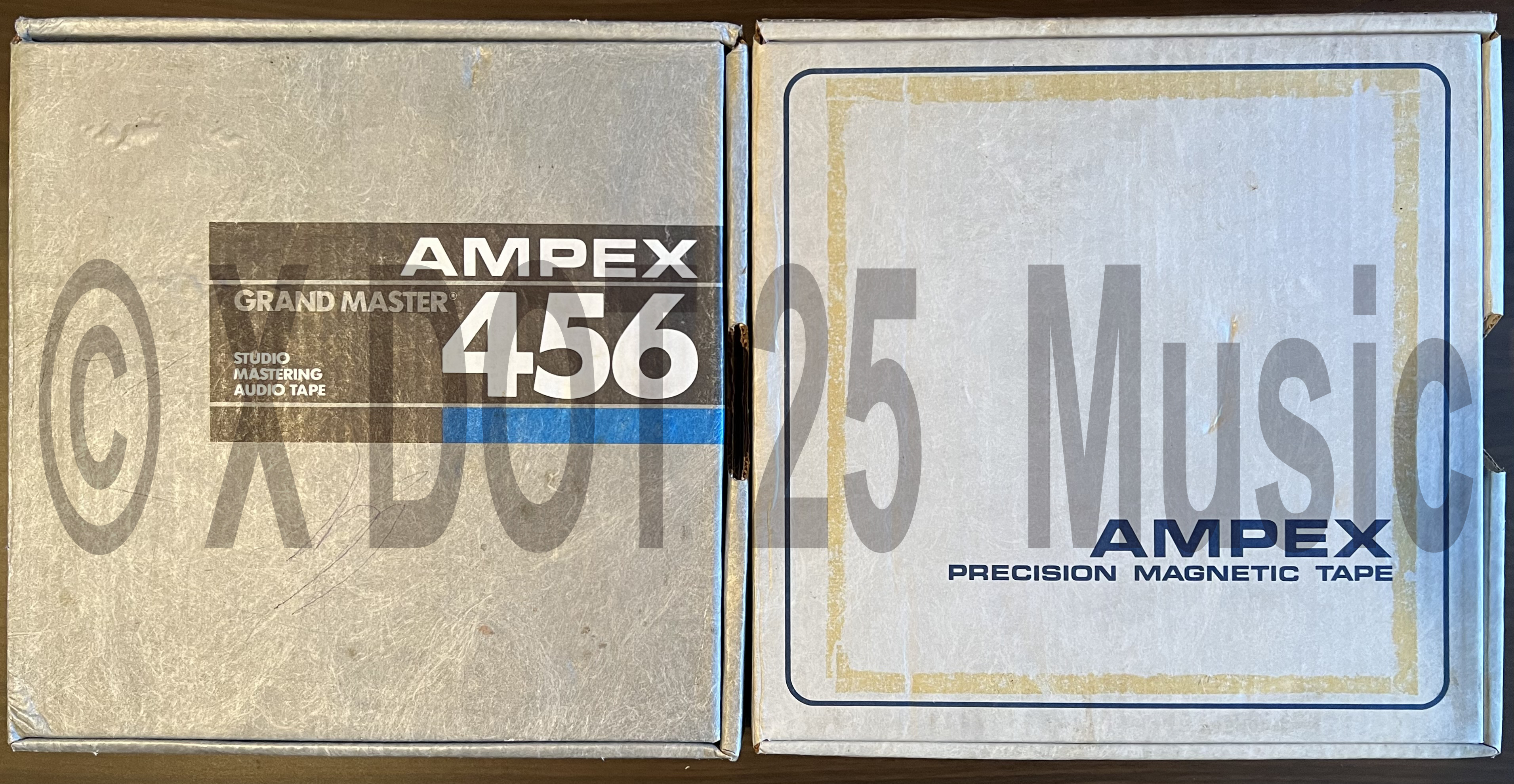
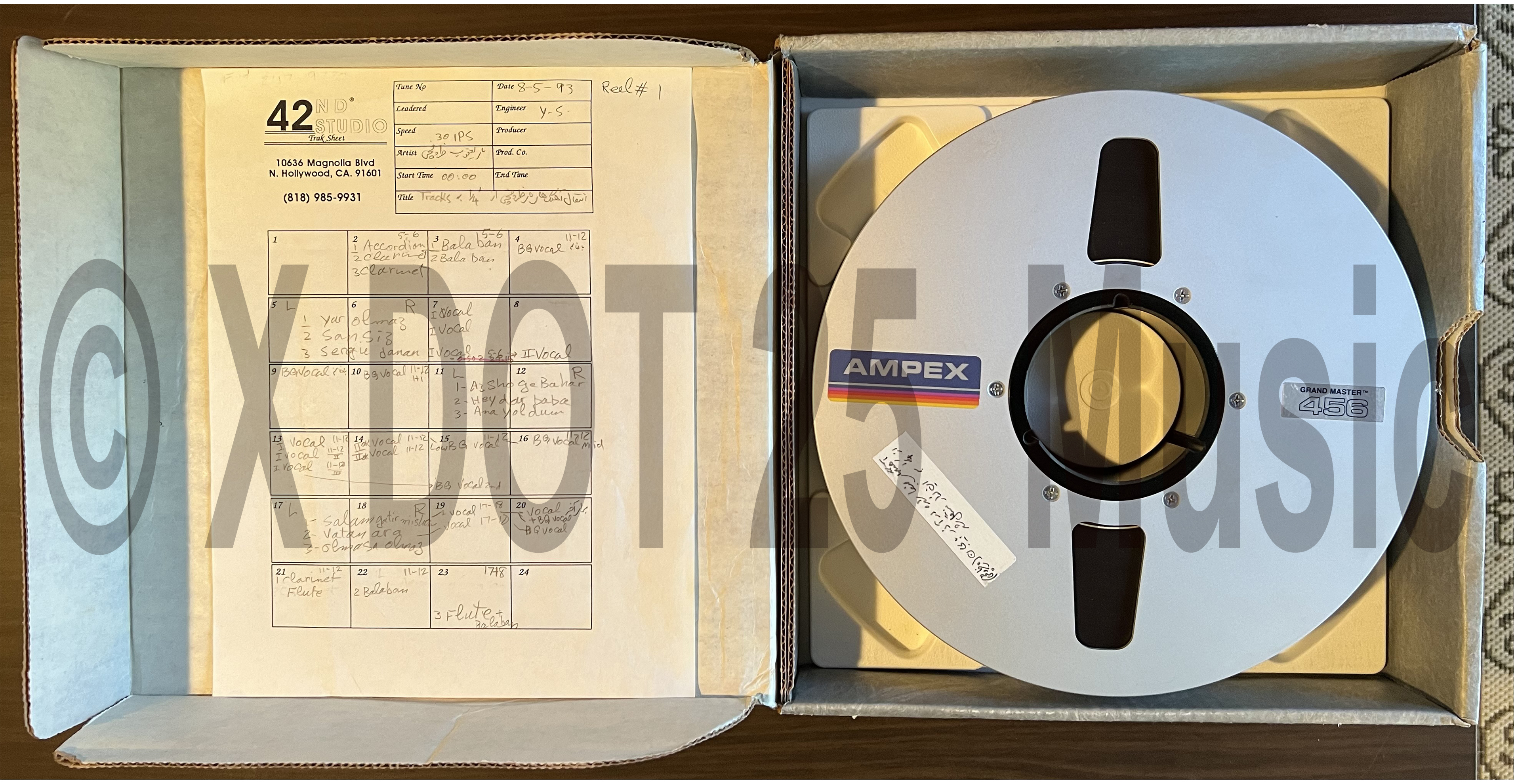
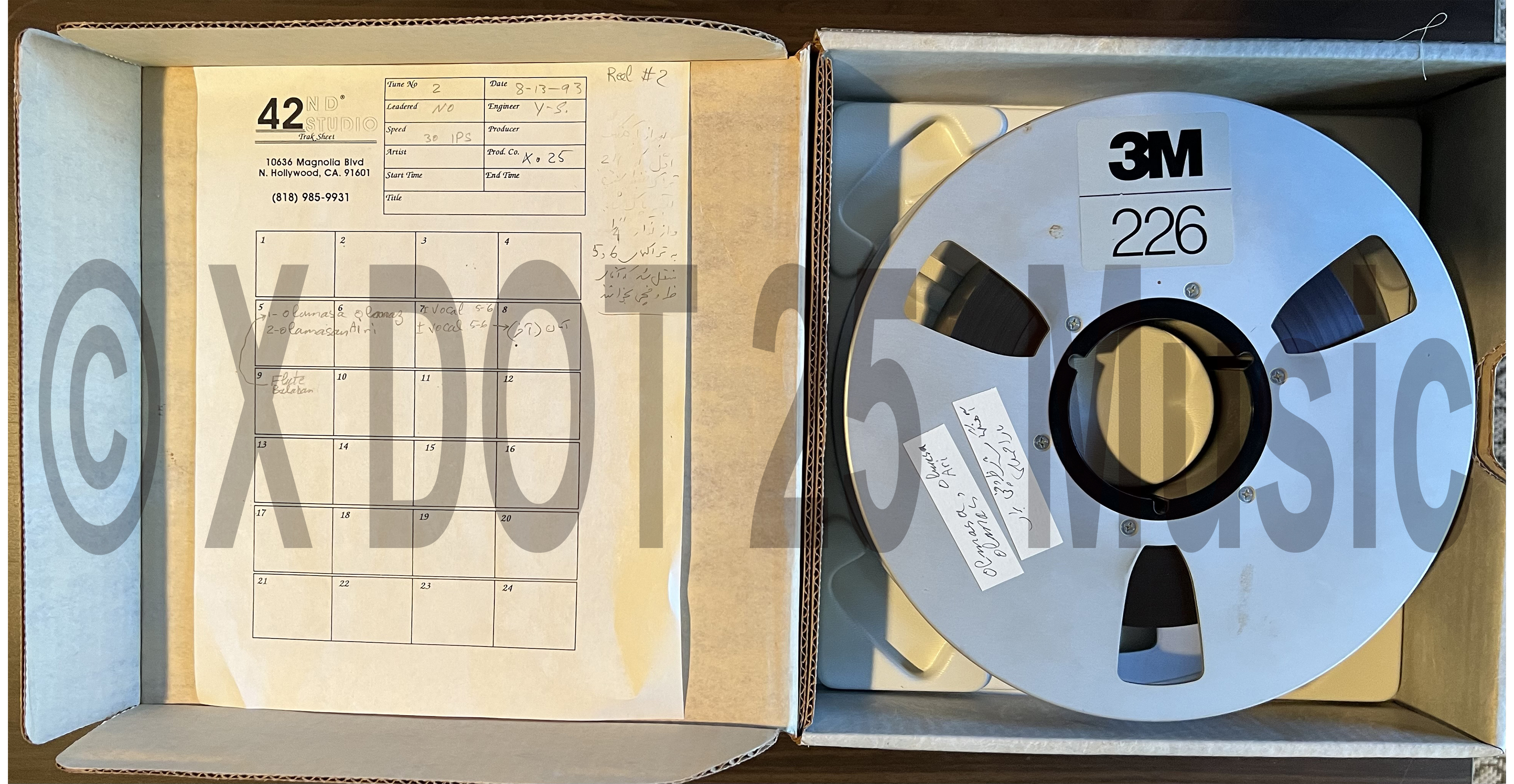
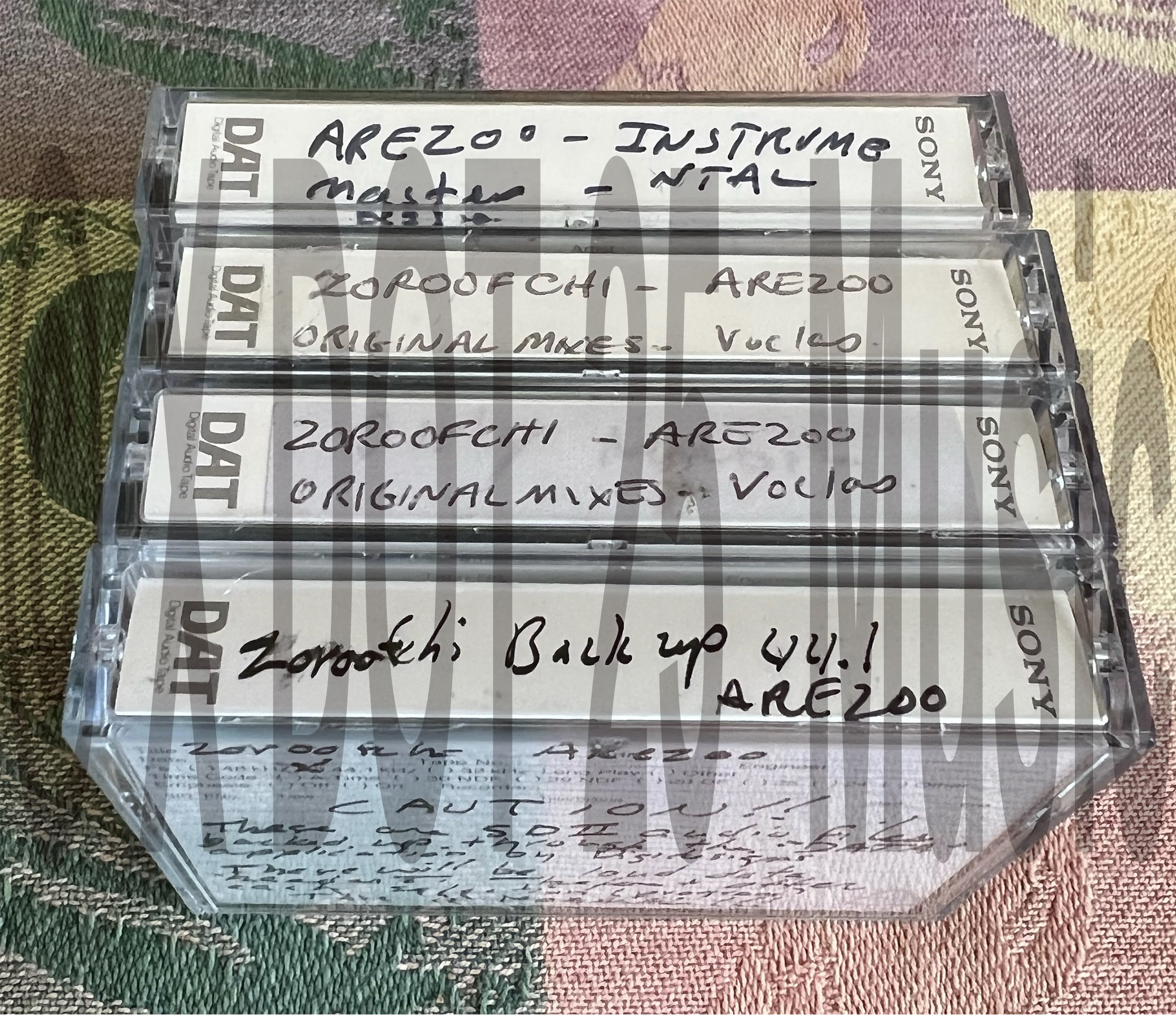
These masters are owned, preserved and are in X DOT 25 Music Offices in USA. X DOT 25 Music fully owns all the rights of these albums as work for hire.
42nd Studio, North Hollywood — an oral history from the X DOT 25 Music production files
The vocals for these sessions were captured and mixed by Yousef Shahab, a legendary figure in Persian music engineering who had tracked the definitive records for Googoosh and Ebi in Iran before emigrating. The room was 42nd Studio in North Hollywood, then owned by Farhad Zamani, originally of Rasht.
Shahab engineered much of the early X DOT 25 catalog — Songs of the Enchanted for Parinaz, Moondance for Kamel Alipour, Bandidos De Amor for Yussi & Django, and, most celebrated of all, the critically acclaimed Beyond Denial by Axiom of Choice.
Midway through the primary repertoire, Zoroofchi asked whether he could cut a piece that had not been part of the orchestral material tracked in Baku — Chal Ashigh. It happened because another of the label’s artists was already in the building: the master Persian instrumentalist Kamel Alipour was at 42nd Studio working on recordings of his own, and being there and available was enough to make the session possible. Alipour had trained under the grand master Ali Akbar Shahnazi alongside his classmate Hossein Alizadeh. The story, as Alipour himself used to tell it, was that their Ustad always called on him to demonstrate pieces on the tar in front of the class — which, he would add with some relish, once famously annoyed the young Alizadeh.
No Persian tar could be found in the studio. Yaqub said he had an instrument in his car and went to fetch it — an Azerbaijani tar, smaller than its Persian counterpart and played against the chest. Alipour played a few notes, turned to him, and said:
Finding it too light to carry the weight of the song, Alipour went back to his own car for his Persian setar, and they cut the track — an unplanned fusion of Azerbaijani vocal opera and classical Persian improvisation. When Zoroofchi stepped out of the booth he had tears in his eyes:
He had touched the absolute ceiling of his range, and it was preserved only because the session left room for spontaneity. Hear the recording ▶ — the setar behind him is Alipour’s.
Two rooms, two sounds. The catalogue carries both halves of that history. The orchestral material was tracked in Baku — sweeping, 120-piece, recorded at scale. The 42nd Studio sessions are the opposite: dry, close, immediate, an expatriate room in North Hollywood with the singer an arm’s length from the glass. The contrast between the Baku strings and that tears-in-the-booth vocal proximity is the character of these recordings, and the remasters were made to preserve it rather than polish it away.
The third album. Before the pandemic, the label and Zoroofchi were mapping out a third collaboration — a grand symphonic and visual tribute to his lifelong idol, Rashid Behbudov, built from the Azerbaijani classical and folk standards Behbudov had famously performed with full orchestral backing, with a dedicated series of music videos. Production halted when Zoroofchi contracted the virus in Baku. He died a couple of weeks later, in September 2021. The final text messages and calls remain in the label’s archives — a record of an unfinished masterpiece.
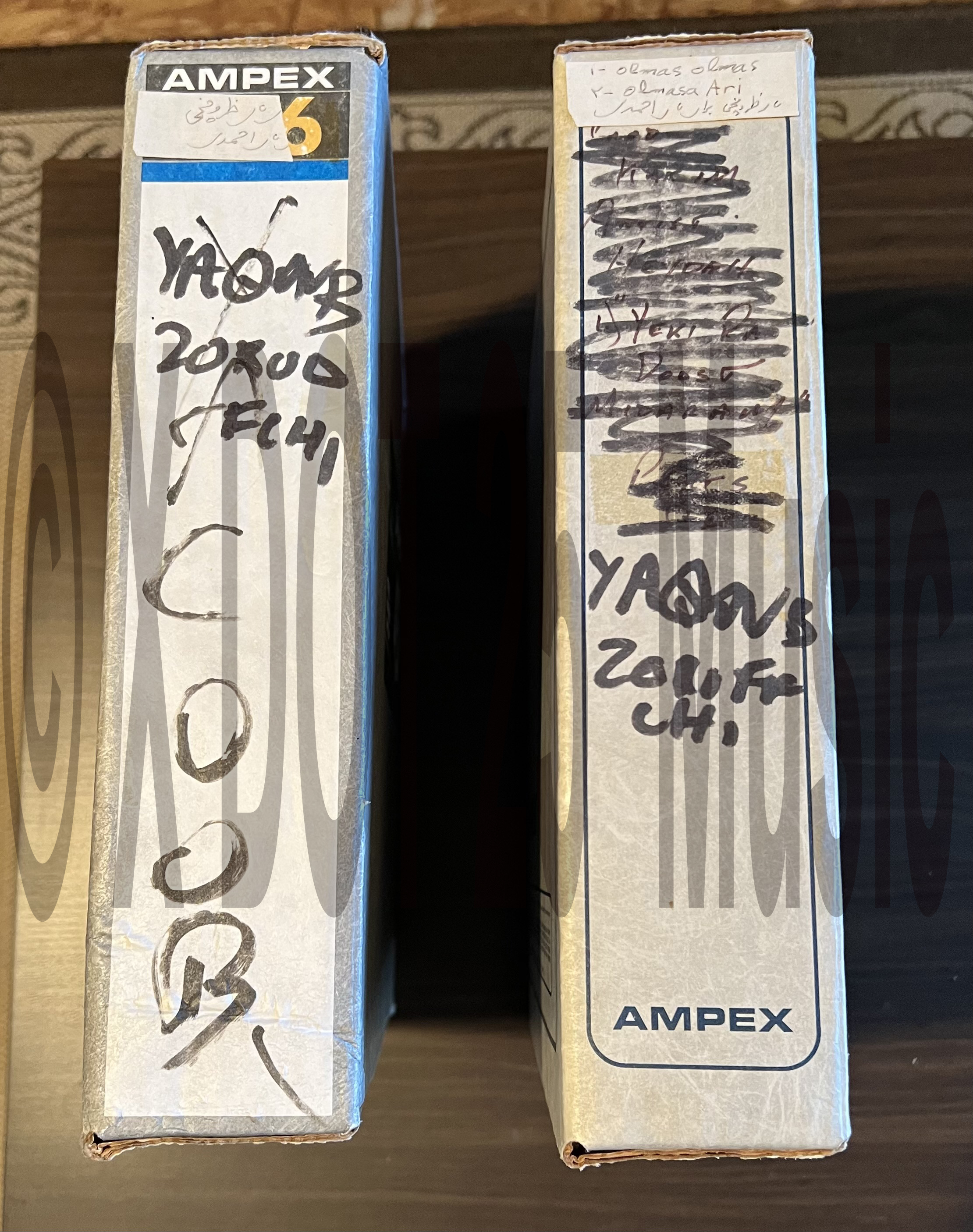
Watermarked master pages and signed recording agreements, preserved at X DOT 25 Music offices.